

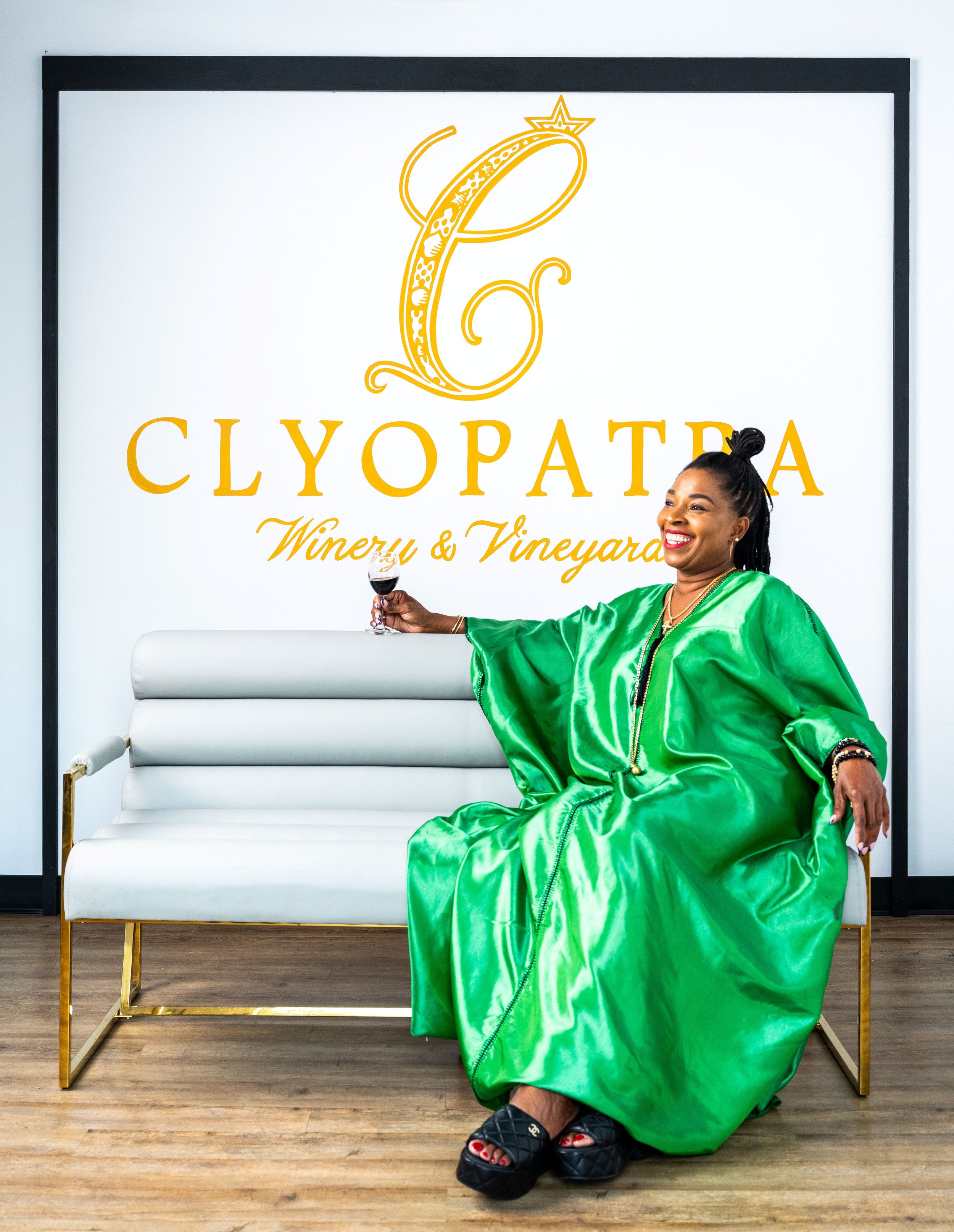
A Bold Pour of Legacy in Laurel

Clyopatra Winery & Vineyard Comes to County
Photos By Robert Roberts
On a crisp February morning in Laurel, ceremonial shovels met Maryland soil—and with that simple, symbolic turn of earth, history took root.
On February 6, 2026, Clyopatra Winery & Vineyard officially broke ground on what promises to become one of the most transformative agritourism projects in Prince George’s County: the Clyopatra Winery & Vineyard Village Resort. The moment was celebratory, yes—but it was also deeply intentional. This wasn’t just the start of construction. It was the public affirmation of a vision that began in October 2023, when founder Ifeoma C. Onyia dared to imagine something audacious: a world-class winery in Prince George’s County grounded in culture, education, and economic empowerment .
In less than three years, that vision has matured quickly. Clyopatra has already earned national recognition as the first African immigrant-owned winery and vineyard in the United States and the largest Black-owned winery in Maryland . Now, with nearly 40 acres in Laurel poised for transformation, the winery is expanding its story from bottle to destination.
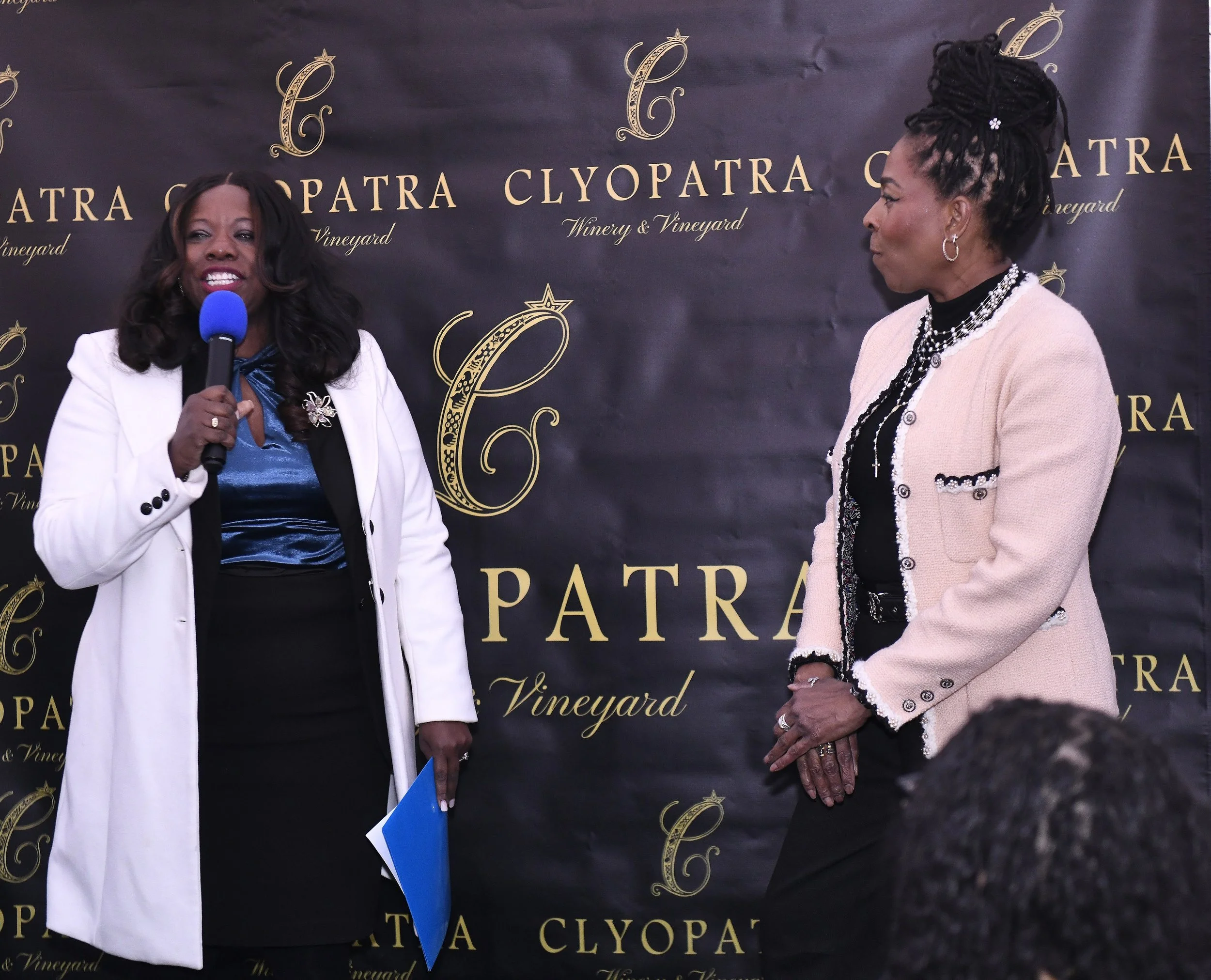
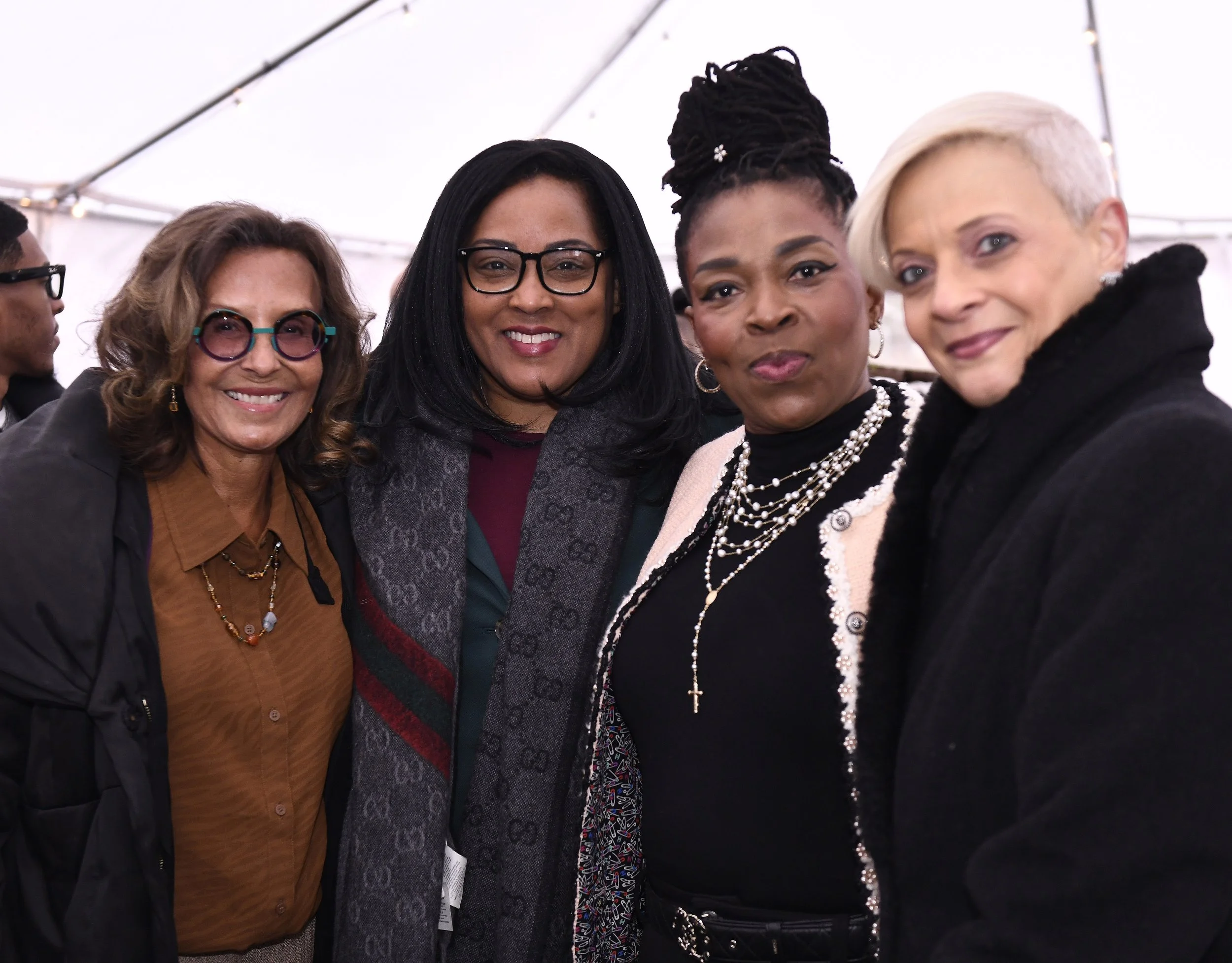
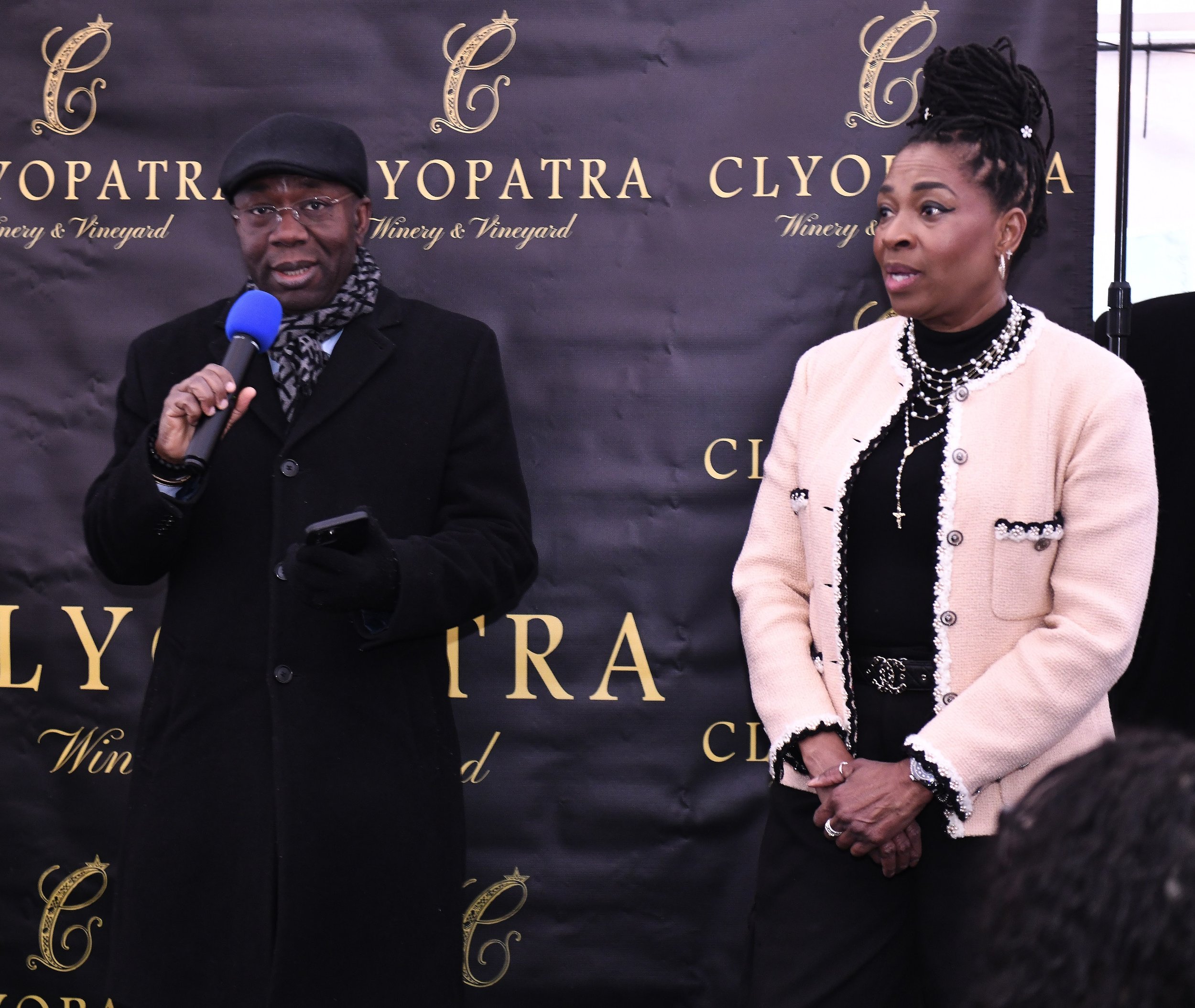
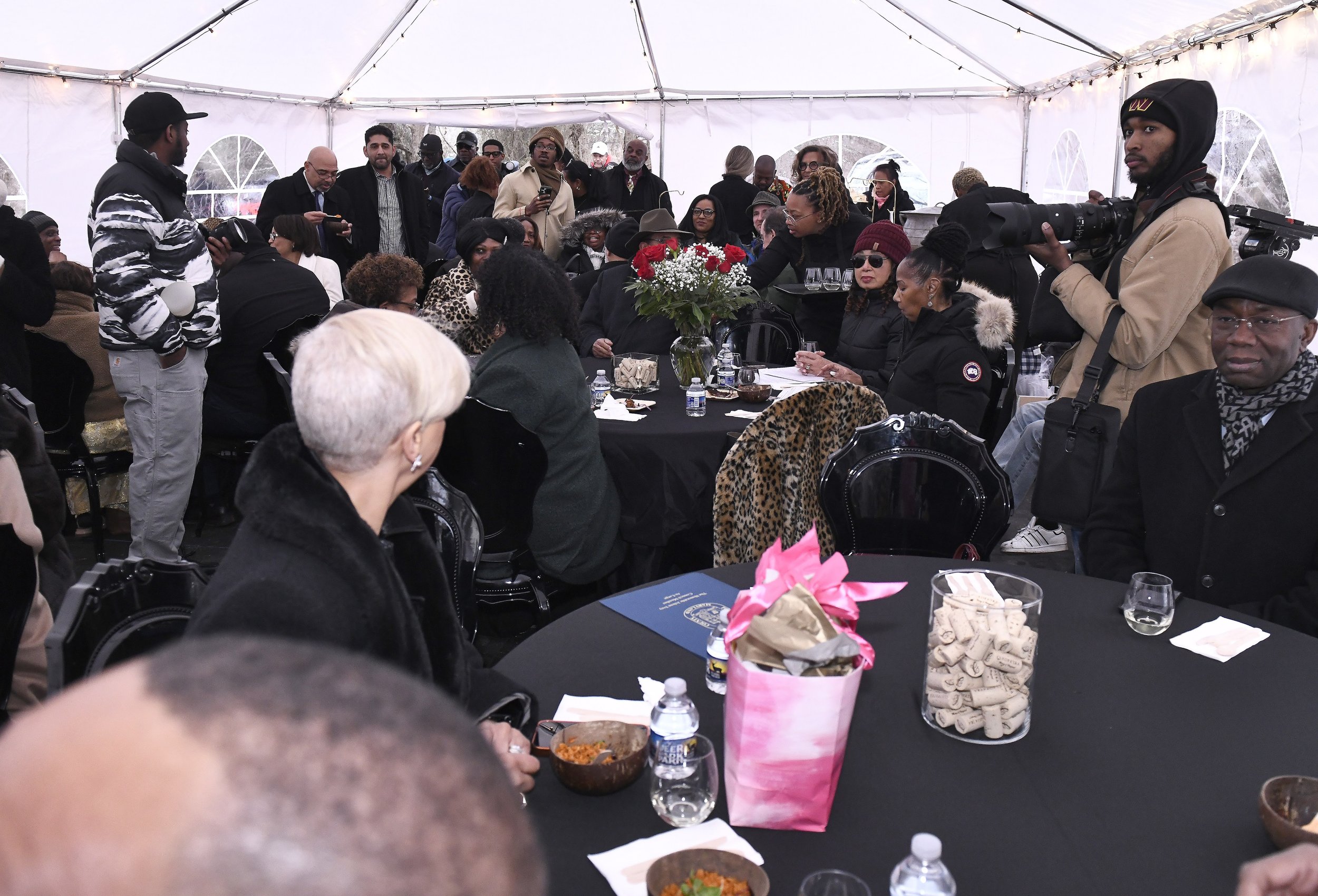
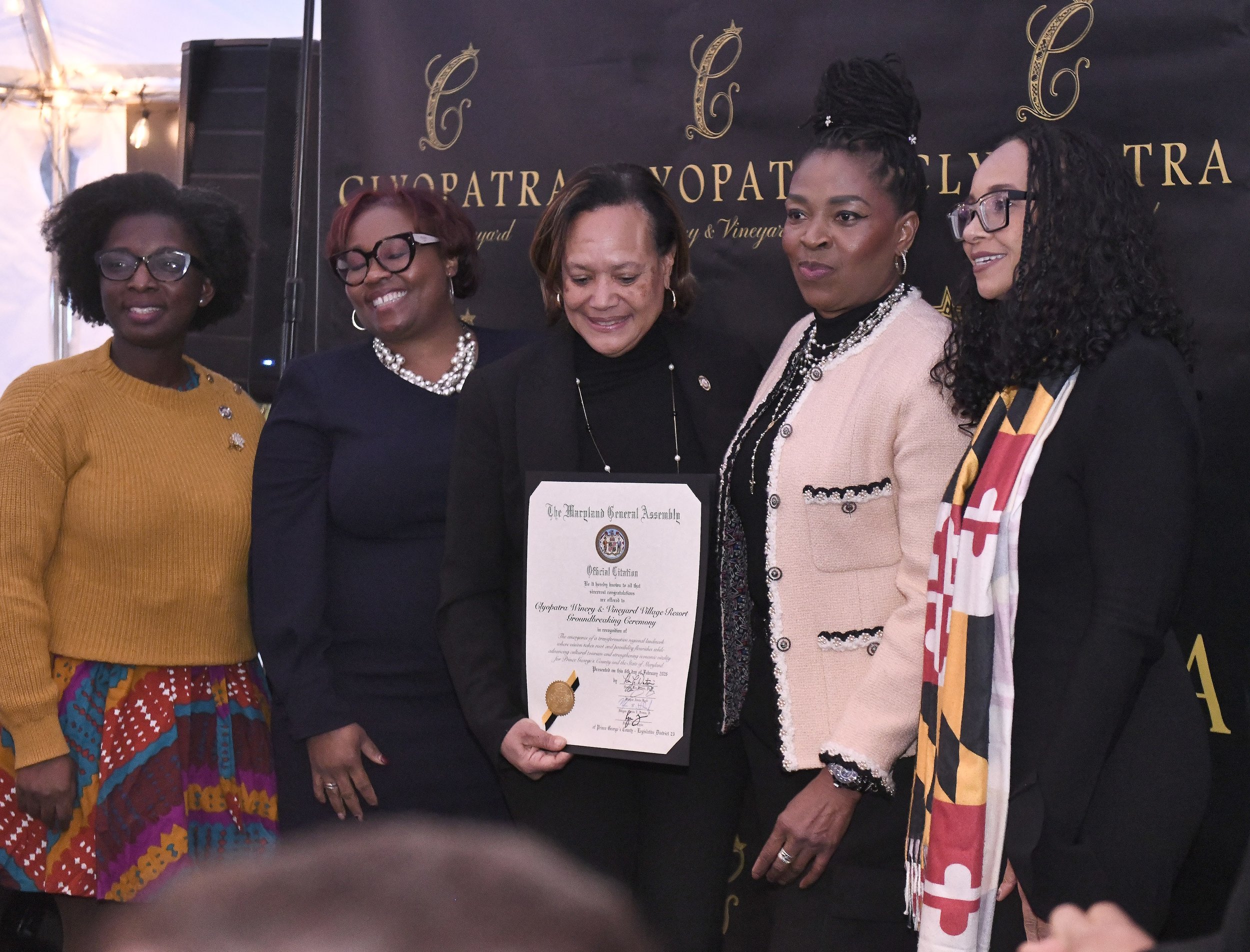


“This is a significant achievement for Prince George’s County, as the future home of the first African-immigrant-owned winery in the United States, this expansion will bolster the winery to become the largest Black female-owned winery and vineyard on the East Coast,” said County Executive Aisha Braveboy. “And the groundbreaking celebrates the start of construction on a landmark agritourism and economic development destination for our County,” she said.
A Village, Not Just a Vineyard
The new Village Resort is no modest expansion. Designed as a multi-phase agritourism and hospitality development, it will blend a working vineyard with event spaces, tasting rooms, educational programming, and future lodging . The project is structured to activate the land immediately while building toward a long-term legacy institution—one that integrates agriculture, workforce development, and cultural celebration.

Phase One is focused and practical: planting approximately 10 acres of grapevines and complementary crops, constructing a tasting room, and installing the essential infrastructure needed to support a fully functioning vineyard. That agricultural heartbeat is intentional. The vines come first. The experience grows around them.
Spread across roughly 41 acres near Jupiter and Duckettown Roads, the development will unfold in carefully planned stages. The first public-facing experiences—including vineyard plantings, core agricultural infrastructure, and an intimate tasting room—are expected to open in the months following the February 2026 groundbreaking, after construction milestones and initial growing cycles are completed. In other words, this is a “watch it grow, then raise a glass” kind of project.
The Woman Behind the Wine
At the center of it all stands Ifeoma C. Onyia—entrepreneur, founder, and visionary.
When she launched Clyopatra in 2023, Onyia wasn’t simply entering the wine business. She was reshaping it. As the first African immigrant-owned winery and vineyard in the country, she disrupted longstanding narratives about who belongs in American viticulture. And with the Village Resort underway, Clyopatra is positioned to become the largest Black female-owned winery and vineyard on the East Coast .

Her remarks at the groundbreaking captured the spirit of the day. The project, she said, represents “scale, permanence, and possibility”—a destination rooted in land stewardship and legacy, designed to create jobs, attract tourism, and reflect the diverse entrepreneurial energy of Prince George’s County.
Onyia’s leadership style blends ambition with community-minded intention. Education is a cornerstone of the Village Resort. Plans include school excursions, vineyard-based learning, youth internships, and workforce development programs that connect agriculture to entrepreneurship and sustainable career pathways. It’s not just about sipping wine under a summer sky. It’s about showing young people what’s possible when land, business, and culture intersect.
Economic Impact with Cultural Roots
The February 6 groundbreaking was more than ceremonial—it underscored a powerful public-private collaboration. The project is advancing in partnership with the Prince George's County Economic Development Corporation, aligning with broader county strategies to expand the tax base, attract high-impact investments, and strengthen local businesses.
The Village Resort is designed to become a catalytic economic driver. With planned event and banquet spaces, hospitality facilities, and public-facing tourism experiences, it aims to position Prince George’s County as a premier agritourism destination. For a county often overshadowed by neighboring jurisdictions in the regional tourism conversation, this project signals a confident shift: come here. Stay here. Experience something rooted and remarkable.

A New Chapter in a Growing Wine Scene
Clyopatra’s expansion also adds dimension to Prince George’s County’s evolving wine landscape. The county is already home to respected destinations like Robin Hill Farm and Vineyards in Brandywine and Janemark Winery & Vineyard, both of which have cultivated loyal followings with scenic settings and estate-grown wines.
Clyopatra, however, introduces something distinct: a village-scale resort concept intentionally interwoven with cultural storytelling and educational access. Its emphasis on inclusive ownership, agricultural literacy, and community empowerment broadens the narrative of what a winery can represent.
Sip, Stay, Celebrate
When the tasting room doors open in the months ahead, visitors can expect curated wine tastings, vineyard views, and a thoughtfully designed hospitality experience. Future phases promise event spaces, banquet facilities, and on-site lodging—transforming a simple afternoon tasting into a weekend retreat.
Picture it: a golden late-summer afternoon, rows of young vines stretching toward the horizon, glasses catching the light, laughter echoing across the property. This is the kind of place where proposals might happen, anniversaries will be toasted, and family reunions will unfold beneath Maryland skies.
And beneath that celebratory surface lies something deeper—a story of land reclaimed for possibility, of ownership expanded, of heritage honored.

The Long Pour of Legacy
For Prince George’s County, the February 6 groundbreaking marks a moment of confidence. It affirms that agritourism, hospitality, and inclusive entrepreneurship are not abstract ambitions—they are taking shape, vine by vine, in Laurel.
For Ifeoma C. Onyia, it marks another milestone in a journey that has already altered the national wine narrative. What began in 2023 as a bold but intentional vision is now a growing landscape—nearly 40 acres strong—designed to inspire future generations.

And for future visitors? It promises a new kind of destination: one where wine is more than a beverage. It is story. It is education. It is economic impact. It is celebration.
Laurel may soon be known not only for its crossroads location between Washington and Baltimore, but for something sweeter: a village built on vines, vision, and the courage to plant something extraordinary.
So keep an eye on those fields near Jupiter and Duckettown Roads. The vines are in the ground. The glasses are waiting.
And in Prince George’s County, a new chapter is quietly fermenting—ready to be uncorked.