

A Classroom View From Above
The 2026 State of the Schools: Acceleration, Equity, and the Promise of Prince George’s County
Reporting, Commentary and Photography By Raoul Dennis
Fifteen days after its doors opened, the new Suitland High School was more than just a host space for an event. It made a statement. As educators, elected leaders, students, and families gathered for the 2026 State of the Schools, the building itself spoke volumes: that excellence belongs here, that long-delayed promises can be kept, and that Prince George’s County Public Schools is entering a defining chapter—one rooted not in deficit, but in acceleration.
This year’s State of the Schools was not framed as a ceremony or a routine report. It was a declaration of intent. From the opening moments, county and school system leaders emphasized alignment, partnership, and shared responsibility. The presence of county leadership, councilmembers, state delegates, board members, principals, and community partners underscored a central truth: the future of public education in Prince George’s County is inseparable from the future of the county itself.
At the heart of the evening was a simple but powerful assertion—our school system is in good hands. That confidence was grounded not in rhetoric, but in results and resolve. Leaders pointed to tangible gains achieved through collaboration, including the dramatic reduction in noncompliant student immunizations, which protected public health while safeguarding millions in instructional funding. It was a clear example of what becomes possible when agencies align around children and families rather than operating in silos.
Suitland High School served as more than a venue; it was a symbol. For generations, Suitland has been a cultural and artistic sanctuary, particularly for Black and Brown students whose creativity and discipline shaped nationally recognized performing arts programs. The new facility is not simply an upgrade—it is the fulfillment of a vision first articulated nearly a decade ago to build a school that rivals the finest performing arts institutions in the nation. Its completion represents a broader facilities strategy designed to correct decades of inequitable investment and to replace managed inequity with intentional excellence.
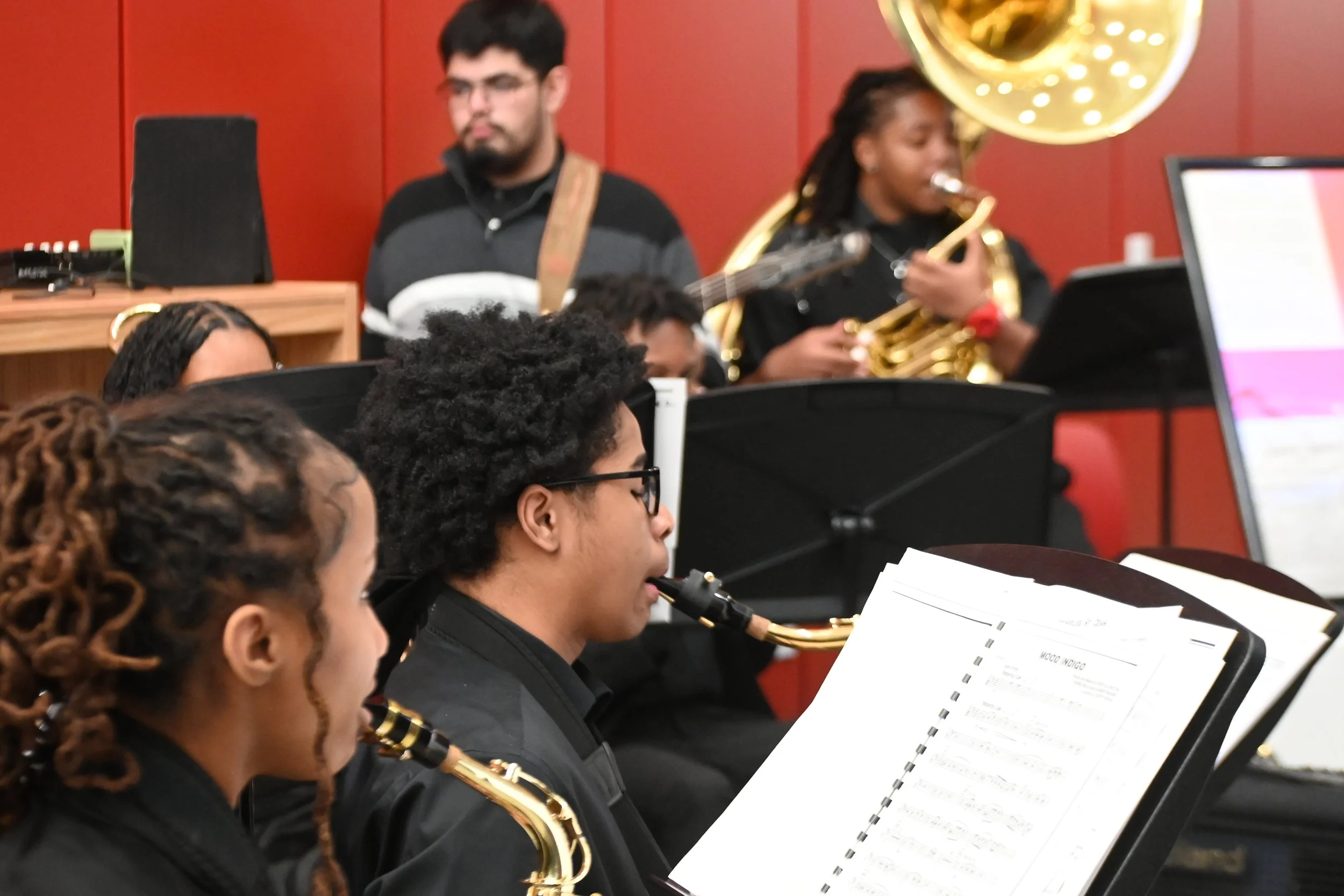
The evening’s student choir performance reinforced that message. Their voices bridged past and future, reminding the audience that infrastructure matters, but purpose matters more. Buildings do not educate children—people do. Again and again, speakers returned to the central role of educators as the backbone of the system. Applause for teachers, principals, and frontline staff was not ceremonial courtesy; it was recognition of labor, professionalism, and daily commitment under increasingly complex conditions.
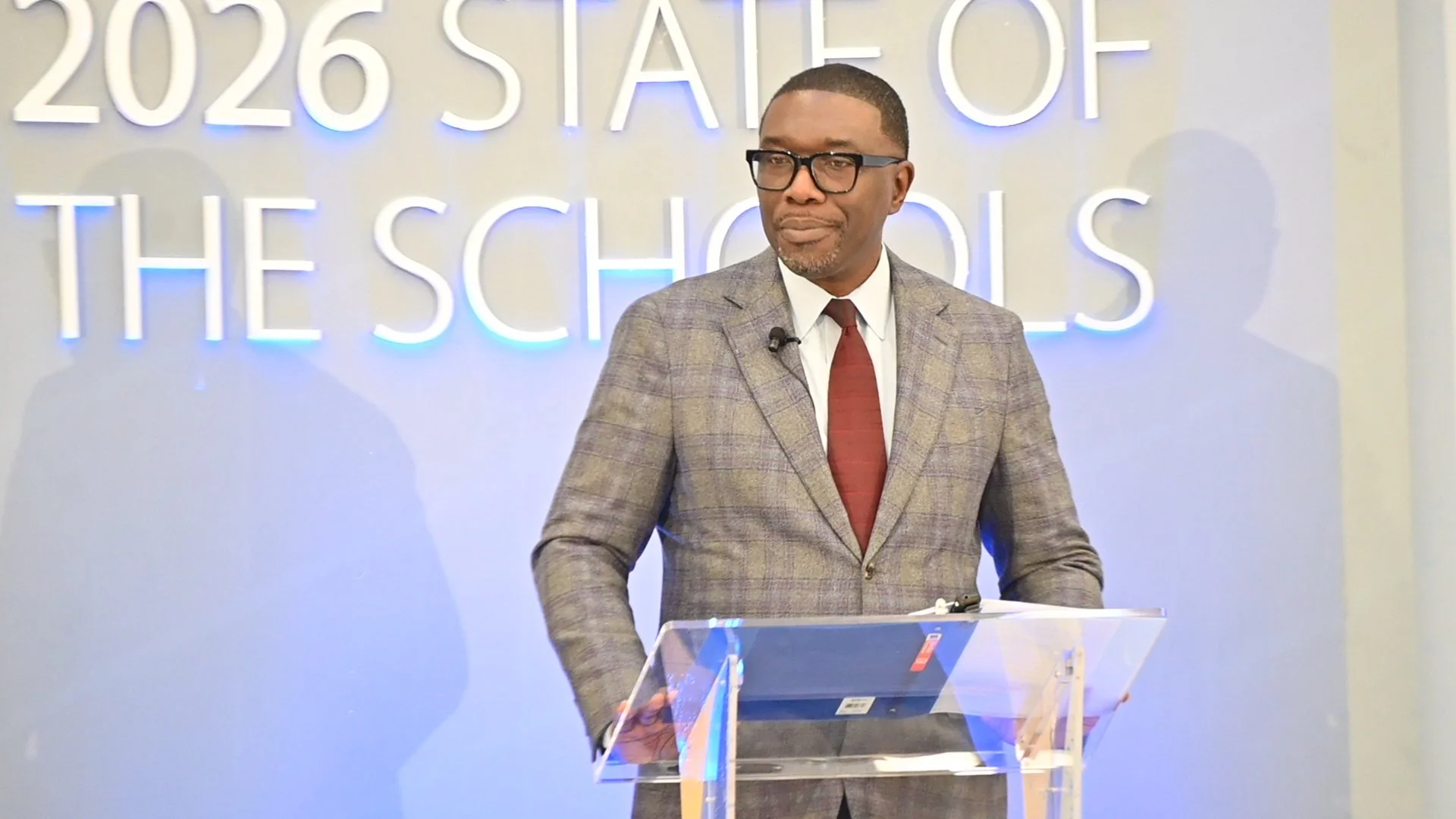
Interim Superintendent Dr. Shawn Joseph framed the State of the Schools around a critical shift in narrative. For too long, Prince George’s County has been viewed through a deficit lens. That framing, he argued, is both inaccurate and harmful. When compared with like peers, students in Prince George’s County are growing—often faster than expected. Multilingual learners and students with disabilities are making measurable gains. Graduation rates have reached historic highs. The challenge before the system is not remediation, but acceleration.
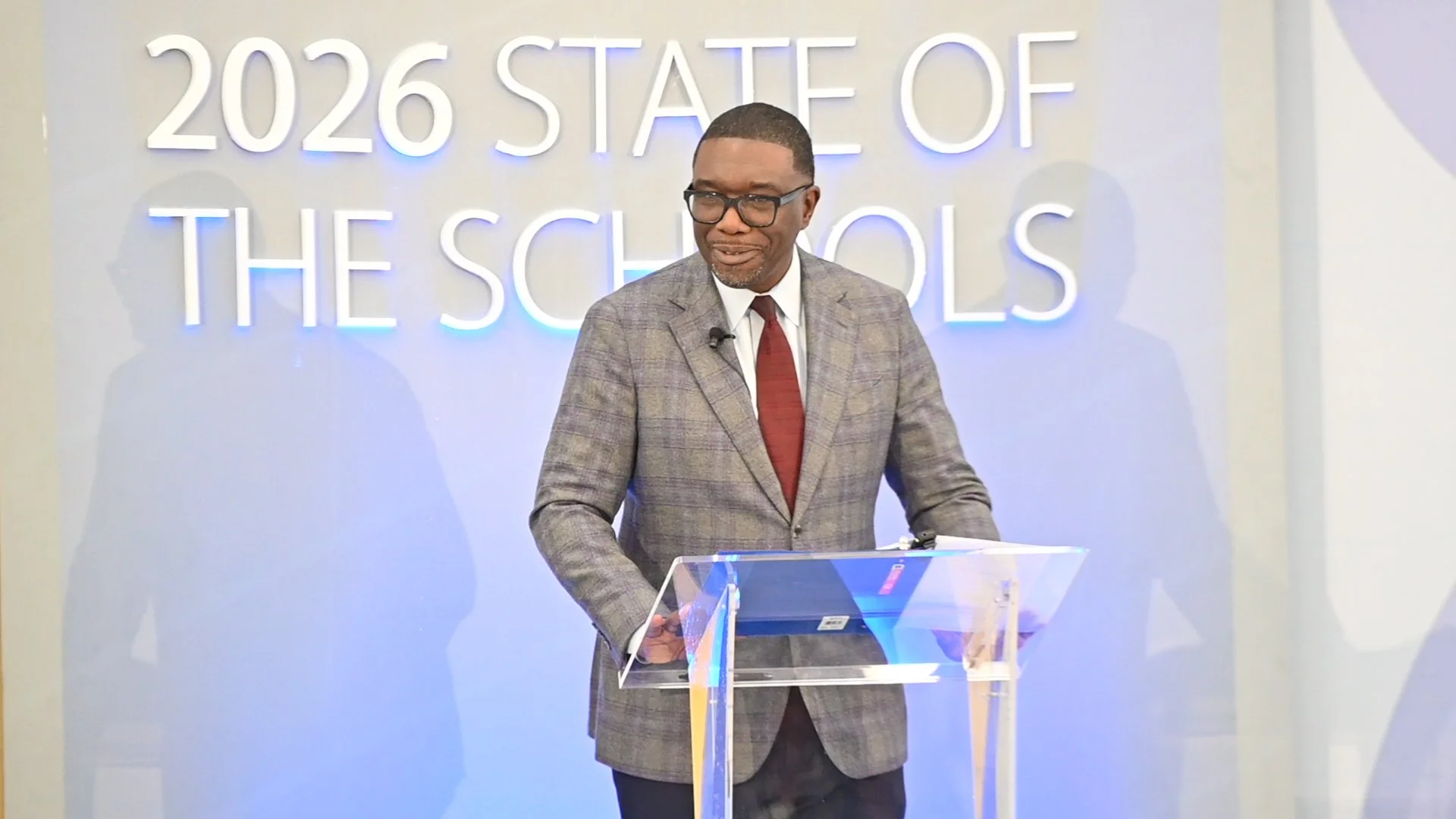
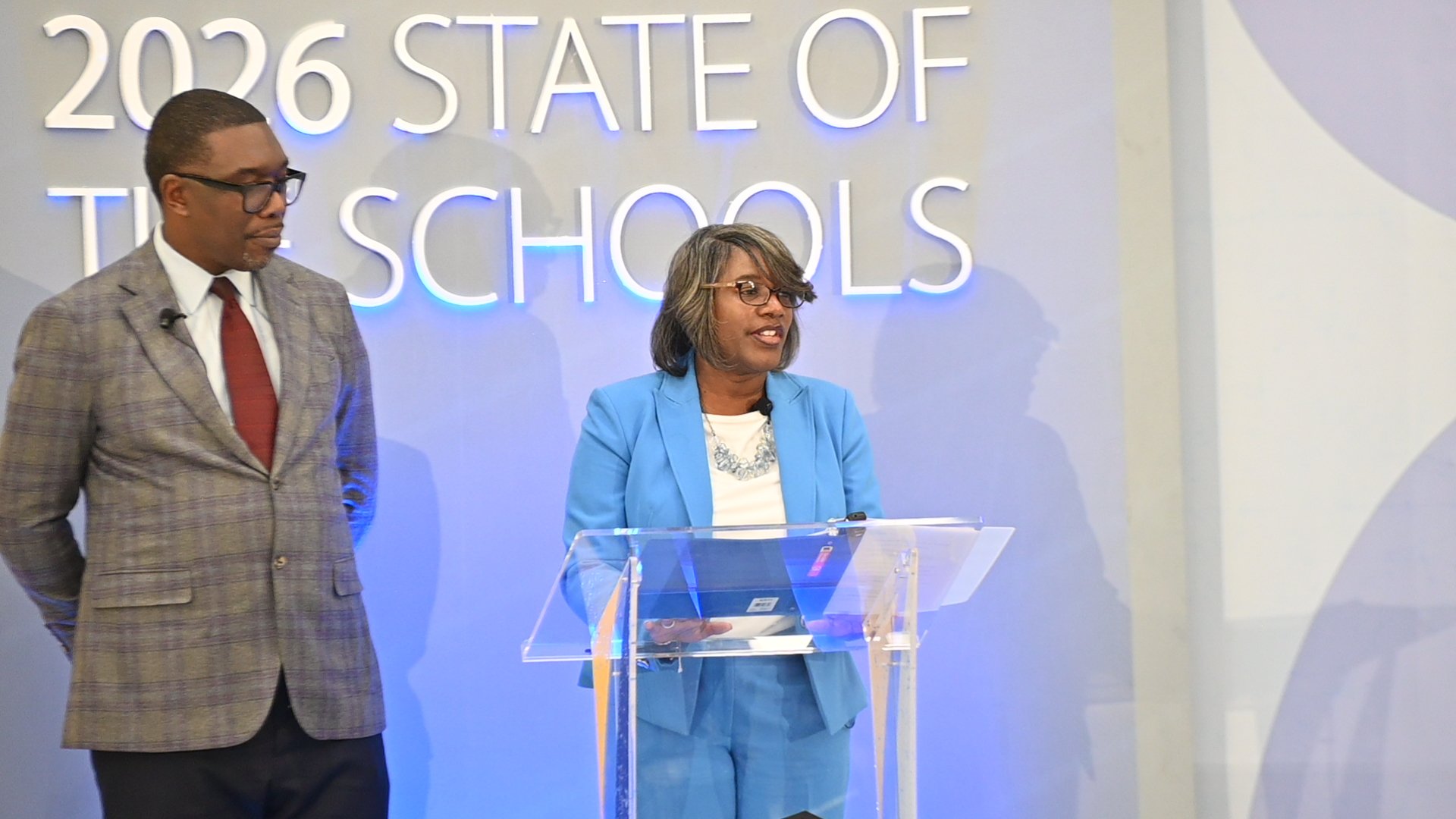

Acceleration, however, requires honesty. Dr. Joseph confronted what he called the “brutal facts” of the district’s current reality. Despite a nearly $3 billion operating budget, Prince George’s County Public Schools is funded at the state minimum and trails neighboring jurisdictions by tens of millions of dollars annually. Recent changes in the funding formula have flattened revenue growth, forcing the system to rely on reserves that can no longer be tapped sustainably. These constraints do not diminish ambition—but they demand discipline, alignment, and strategic clarity.
Against this backdrop, the superintendent presented a budget shaped by fiscal responsibility and moral purpose. The district closed a $150 million gap without increasing taxes, while protecting core priorities tied directly to student learning and well-being. The message was clear: stewardship matters. Every dollar must count, because every decision ultimately shapes whether justice and excellence are delivered—or denied—to children.
Rather than retreating in the face of constraint, the district outlined five strategic accelerants designed to move the system forward. These accelerants focus on outcomes, not initiatives: literacy and math habits, multilingual learners and students with disabilities, dual enrollment and internships, organizational culture, and chronic absenteeism. Together, they represent a coherent framework for scaling excellence rather than managing variance.

Central to this strategy is people. The district has reimagined professional learning as an embedded value rather than a discrete event. Job-embedded coaching, collaborative practice, and data-informed instruction are reshaping school cultures from the inside out. In places like Longfields Elementary, instructional coaching has shifted ownership of practice from top-down evaluation to shared responsibility among educators and leaders. Teachers described coaching not as surveillance, but as support—an approach that builds trust, confidence, and instructional skill.
This same philosophy is being applied beyond the classroom. Grow-your-own strategies, such as the Transportation Academy, are strengthening workforce pipelines while reducing vacancies that directly affect students’ daily experiences. By investing in internal talent and cross-department collaboration, the district is addressing operational challenges with the same intentionality it applies to instruction.
Perhaps the boldest declaration of the evening centered on artificial intelligence. Dr. Joseph made it clear that delaying AI literacy would be an equity failure. The district has positioned AI not as a novelty or threat, but as a productivity partner and civil rights strategy. By adopting a comprehensive AI framework and policy, Prince George’s County Public Schools has committed to preparing students for the world they will inherit—not the one adults remember.
AI tools are already expanding access for multilingual learners, enabling real-time communication, translation, and instructional support. Families entering school buildings see their native languages represented with equal importance, reinforcing dignity, trust, and belonging. Educators emphasized that these tools do not replace human connection; they create space for it. Time reclaimed from administrative burden becomes time invested in teaching, mentoring, and relationship-building.
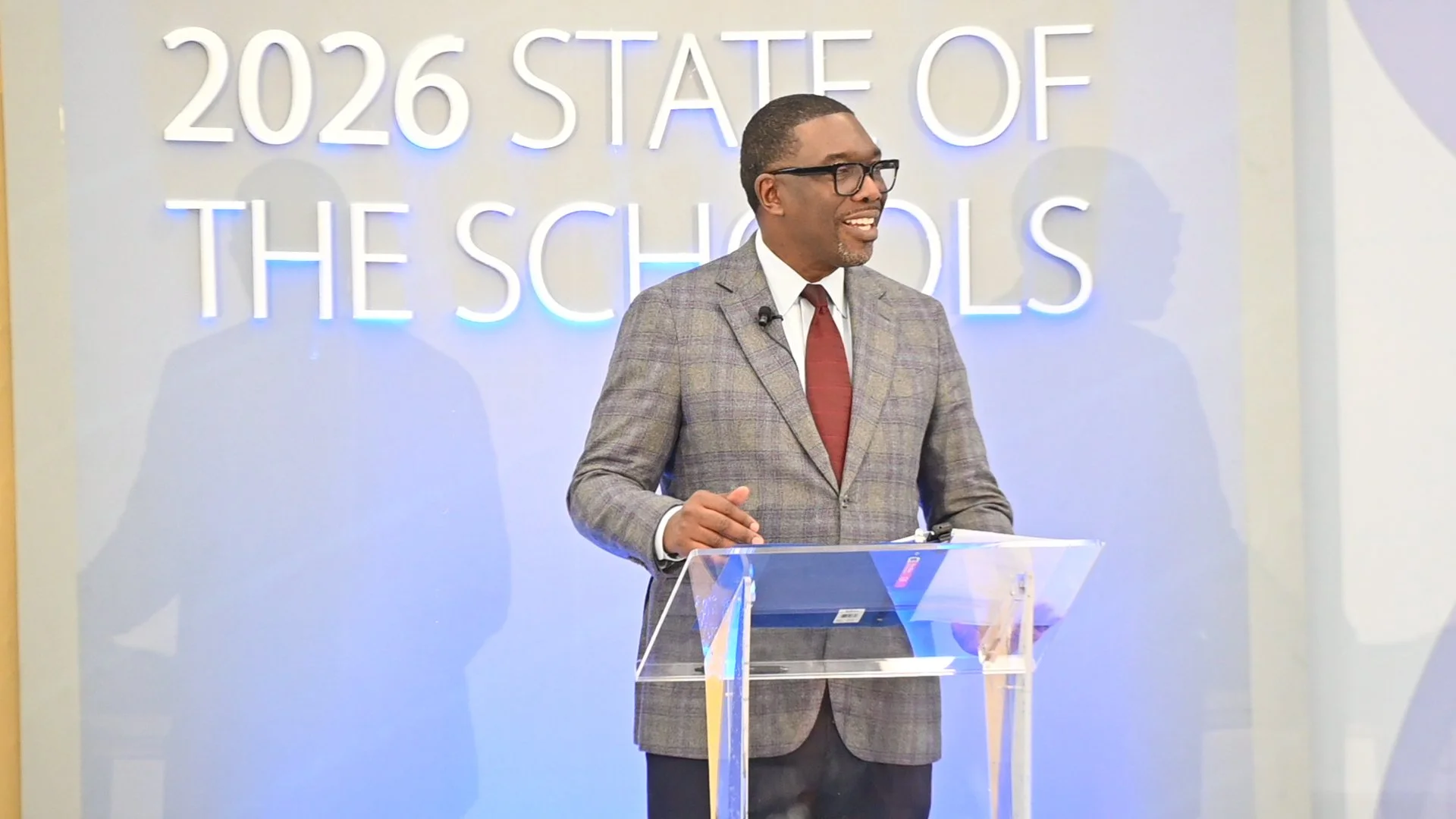
Safety emerged as another essential accelerant. Leaders stressed that learning cannot flourish where safety is uncertain. Through intentional investment in technology, design, and partnerships, the district has reduced major incidents in schools by more than half. Enhanced detection systems, secure campus design, mental health supports, and strong collaboration with local governments and community organizations are reshaping what safety looks like—not as enforcement alone, but as a culture of trust.
The district announced a phased, multi-year plan to expand next-generation security across all schools, beginning with high schools and extending to middle and elementary campuses. These investments are not framed as reactive measures, but as proactive commitments to ensure that every student and educator enters a learning environment designed for protection, preparedness, and peace of mind.
Throughout the evening, a recurring theme emerged: partnership. From county government to municipal leaders, from educators to families, from students to community organizations, the work of education is shared work. Economic development initiatives, workforce pipelines, and emerging industries were all linked back to schools—not as distant beneficiaries, but as direct partners in preparing the next generation.

The 2026 State of the Schools closed not with a sense of finality, but with momentum. The message was unmistakable: Prince George’s County Public Schools is not waiting for perfect conditions to act. It is moving forward with clarity, courage, and conviction. Acceleration is not a slogan; it is a strategy grounded in people, equity, and purpose.
In Suitland, inside a building that stands as a promise kept, the county collectively affirmed a deeper promise still—that every child, in every neighborhood, deserves a future defined not by limitation, but by possibility. The work ahead is demanding. The constraints are real. But so is the resolve. And in that resolve lies the true state of the schools.