
The Many Colors Of Independence
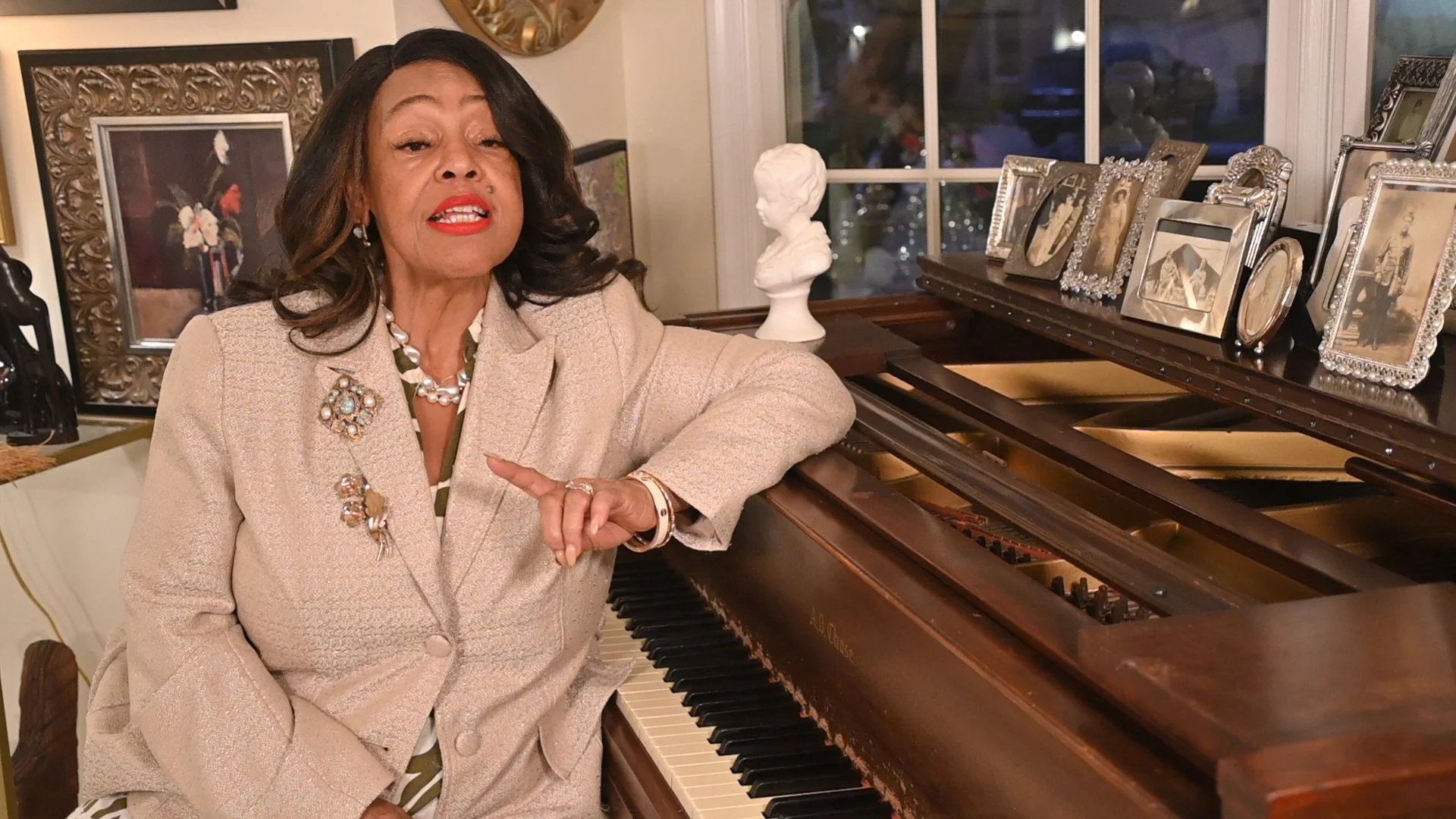
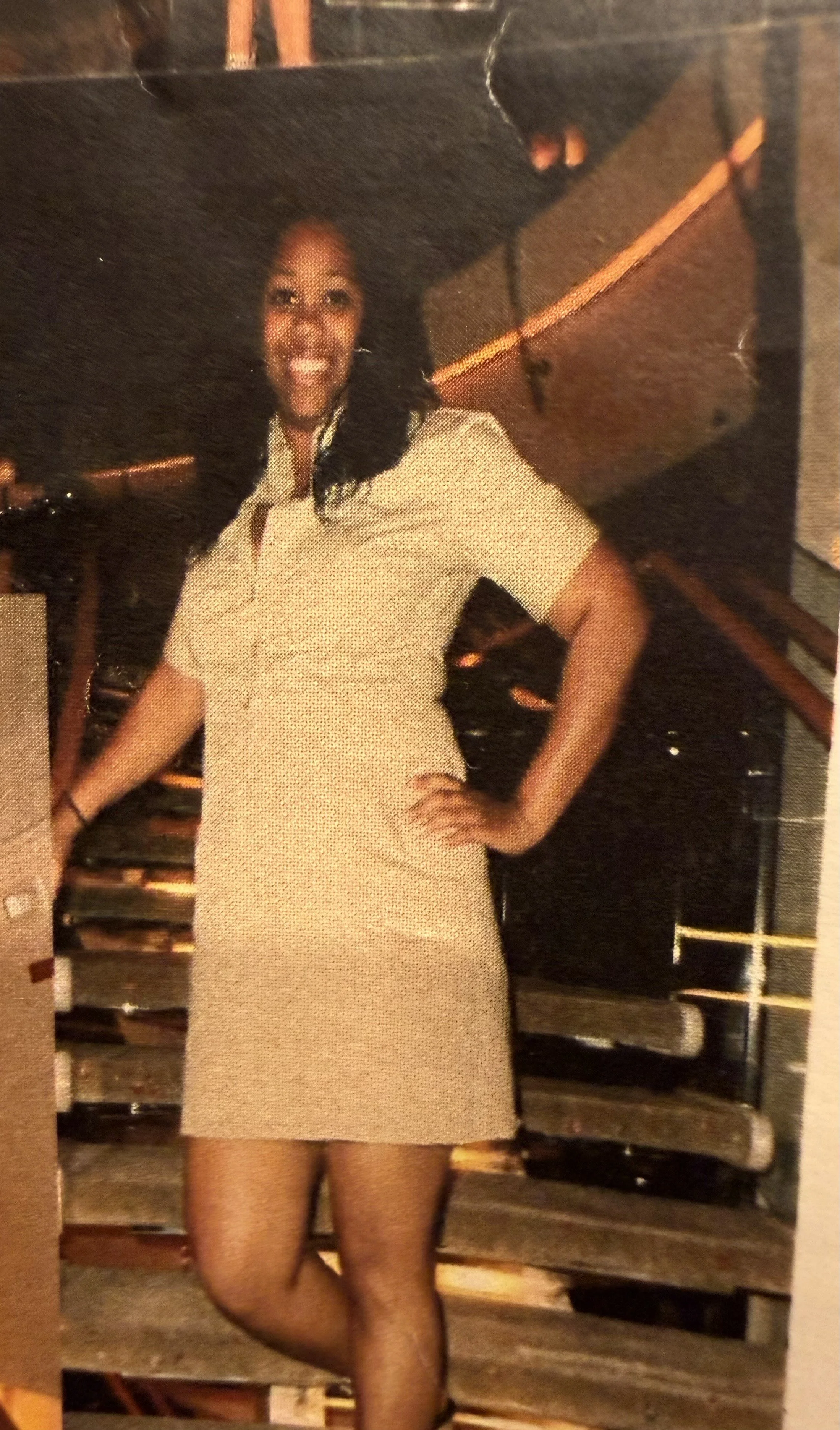
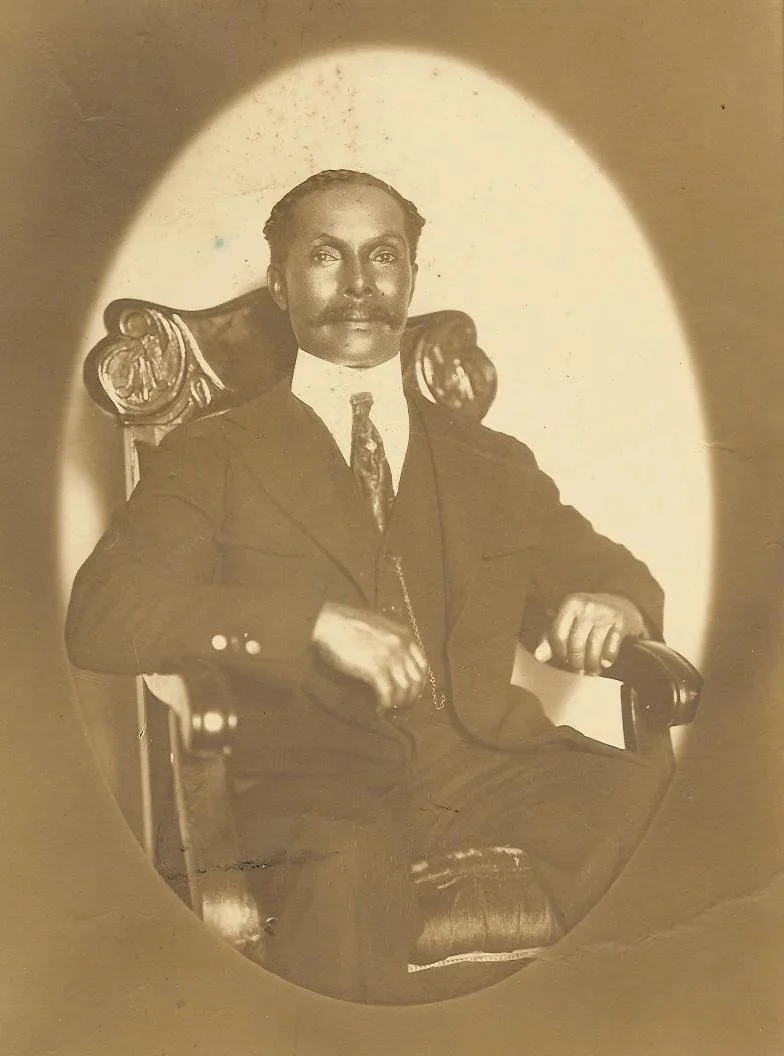
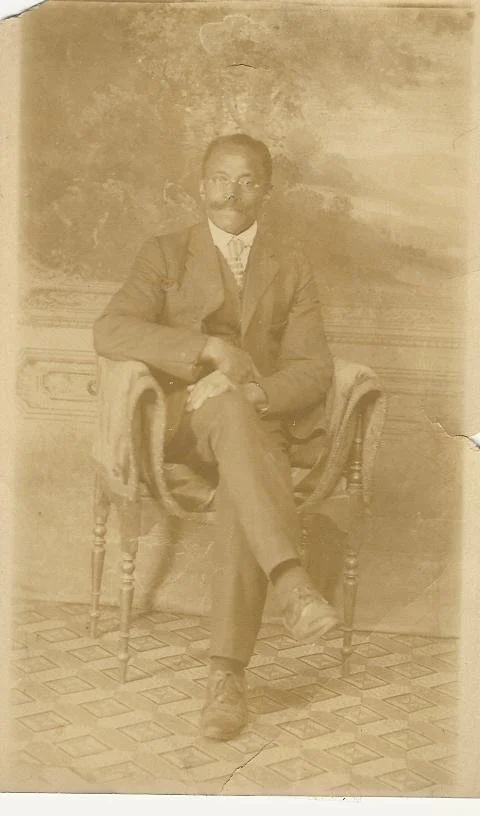
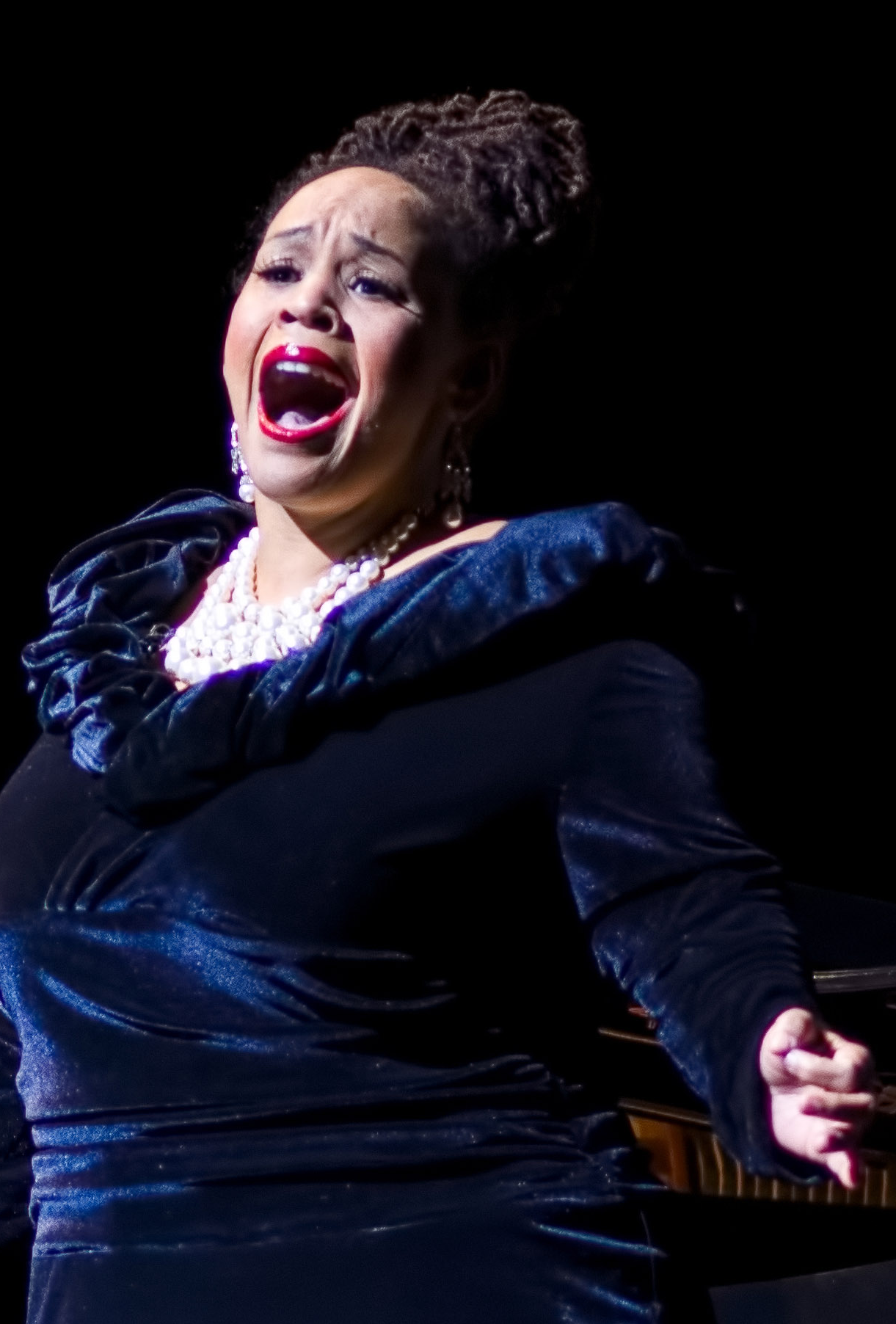
Terri Allen is the founder of the Coalition for African Americans in the Performing Arts (CAAPA) and the fifth great-granddaughter of William Stives (below), a Revolutionary War soldier and fife player who served under General George Washington. Her own children, Victor Simonson and Pamela Simonson Parker, are successful classical music professionals today (see below). PHOTO: RAOUL DENNIS // PRINCE GEORGE’S SUITE MAGAZINE & MEDIA.
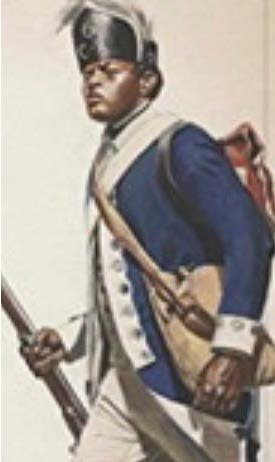
William Stives served under General George Washington and also played the fife.
At This Semiquincentennial Moment, One Prince George's Family Discovered Its Connection to the American Revolution
By Raoul Dennis
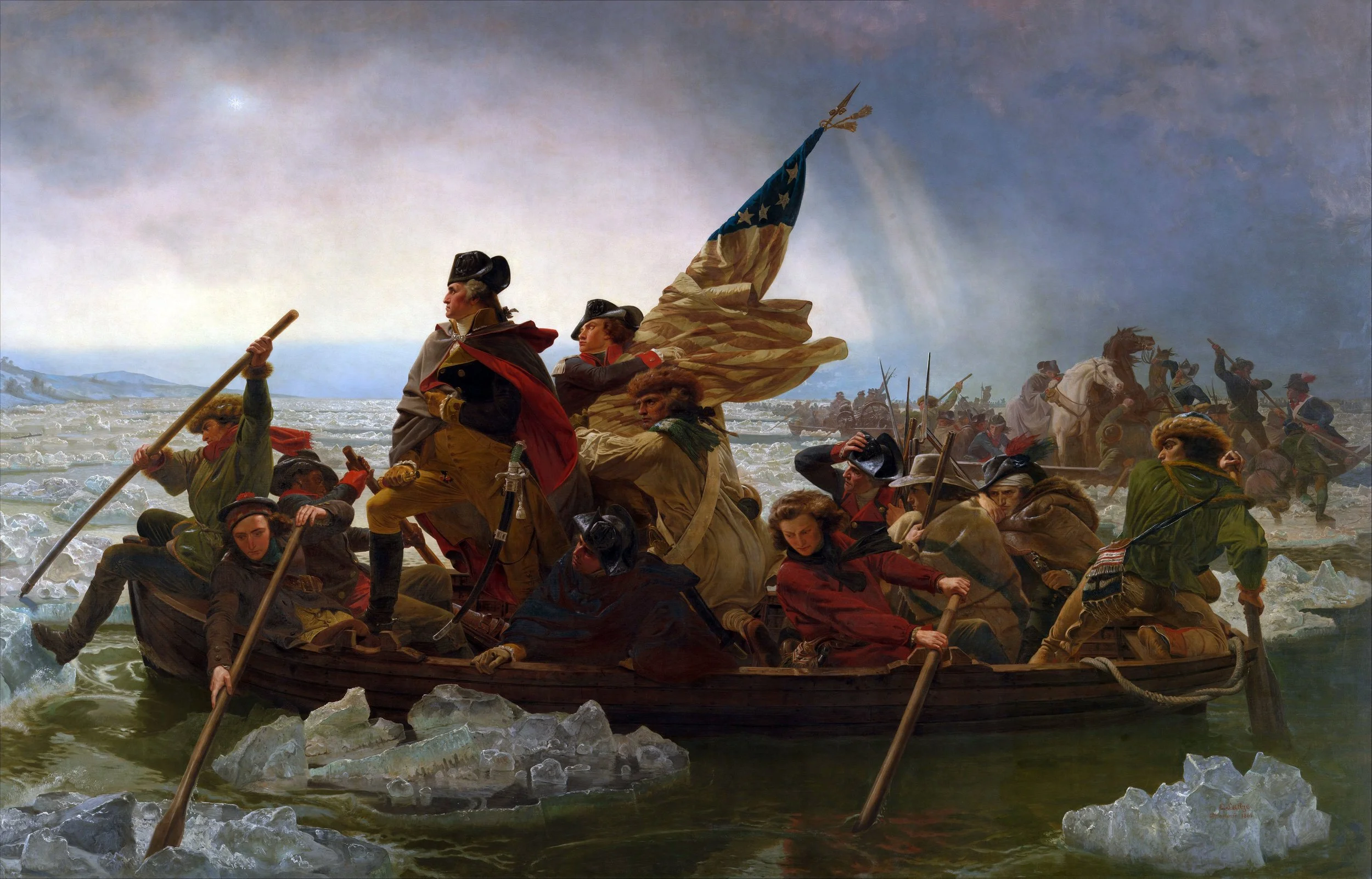
Terri Allen, founder and former Executive Director of the Coalition for African Americans in the Performing Arts (CAAPA) based in Fort Washington, Maryland, traces her lineage back to General George Washington as he crossed the Delaware River on that cold December night in 1776.
She does this through the very real and documented story of William Stives, her fifth great-grandfather, a soldier and musician who fought in Washington’s Continental Army during the American Revolution.
The journey not only connected the family to one of America's defining moments but also opened the door to their membership in the Daughters of the American Revolution (DAR), an organization dedicated to preserving the nation's history and honoring those who helped secure its independence.
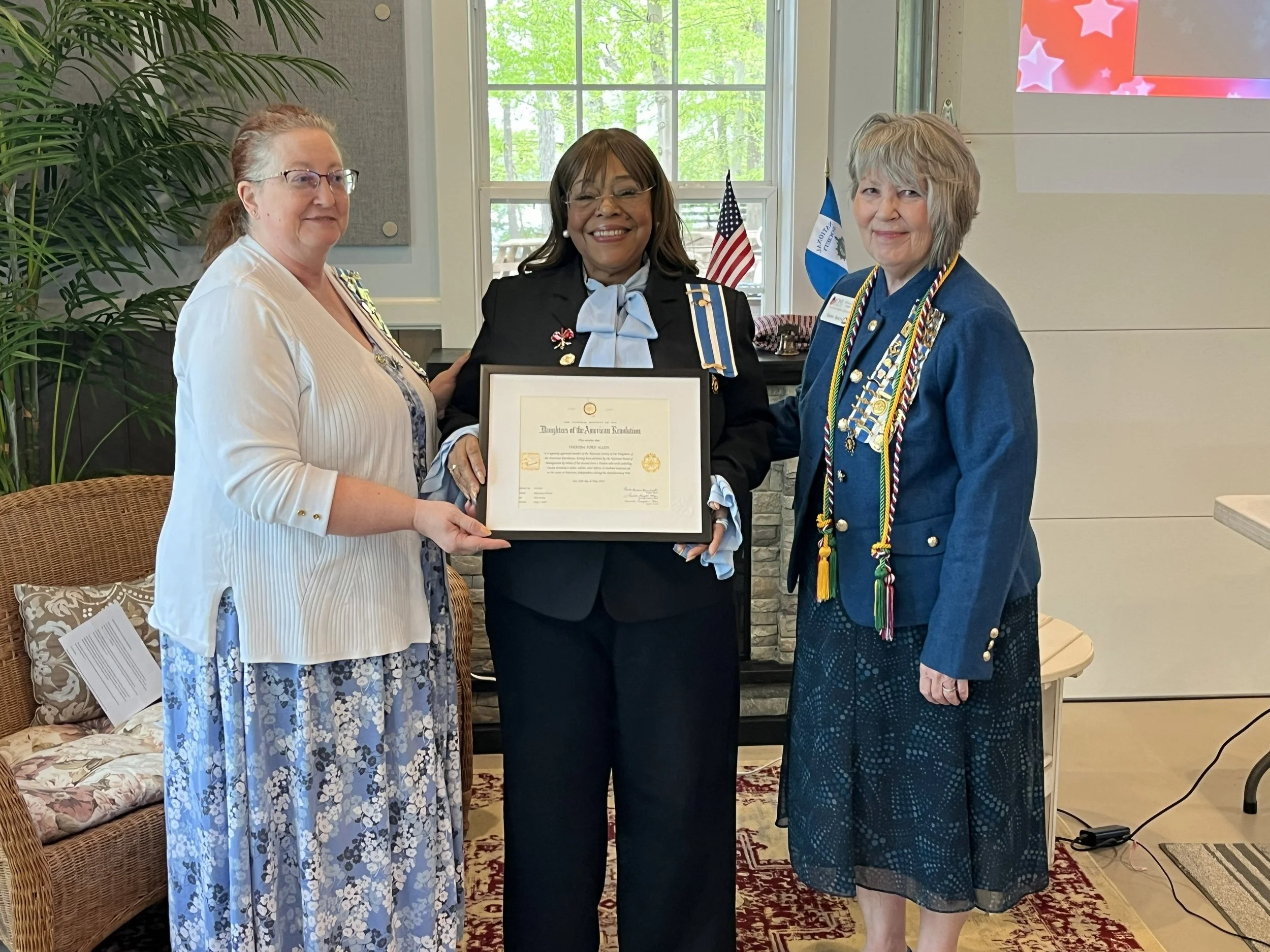
Terri Allen with Daughters of the American Revolution

What followed was a remarkable story of genealogy, patriotism, music, and a series of what Allen calls "full-circle moments" connecting the 18th century to the present day.
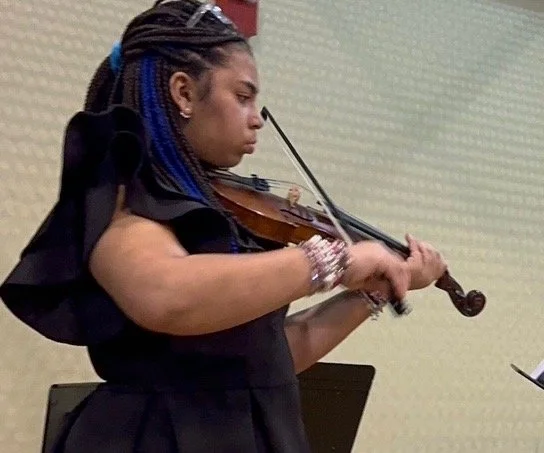
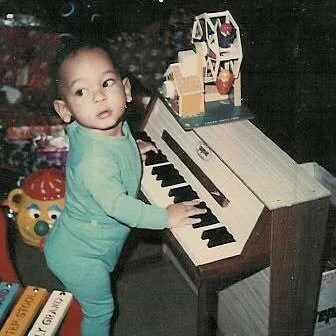
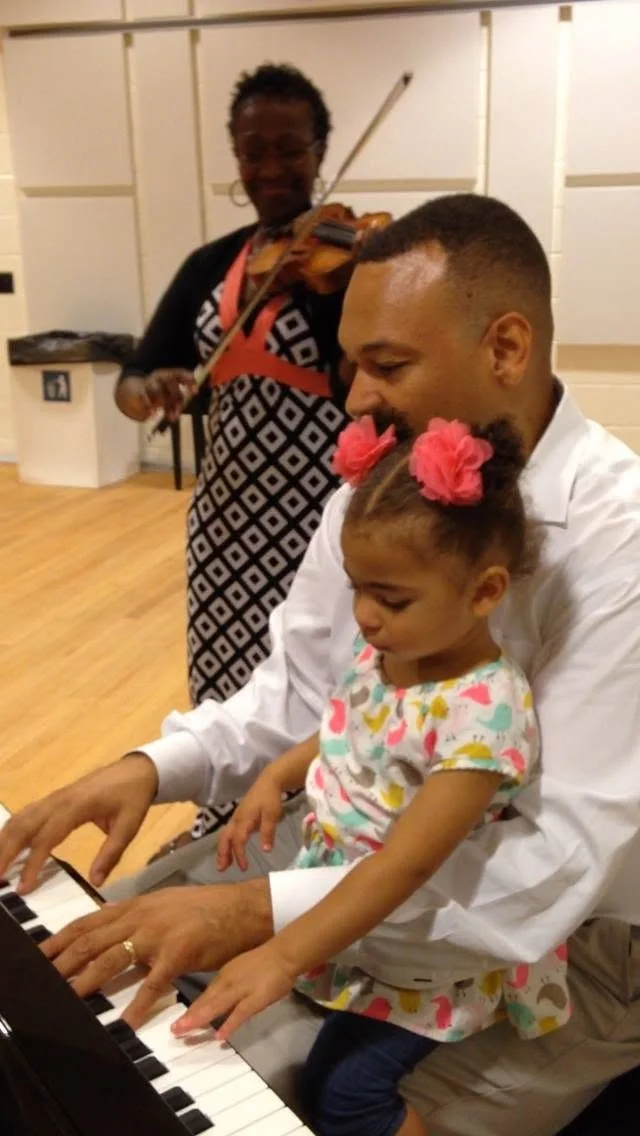
Victoria Simonson, daughter of Victor Simonson and seventh great-granddaughter of William Stives.
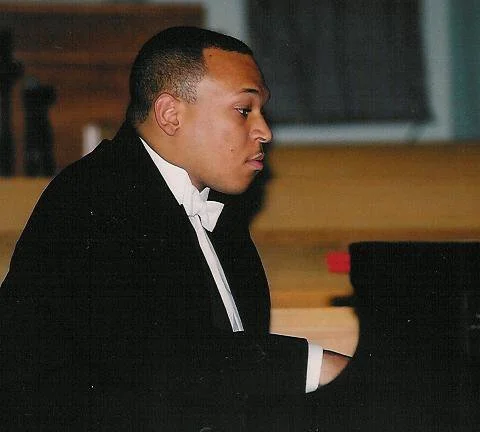
In fact, one of the most remarkable full-circle moments includes the consistent thread of classical and traditional music in the family timeline that began with Stives – who was a fife player in Washington’s army – to today, as Allen’s own children, Victor Simonson and Pamela Simonson, are both highly successful, professional classical music performers.
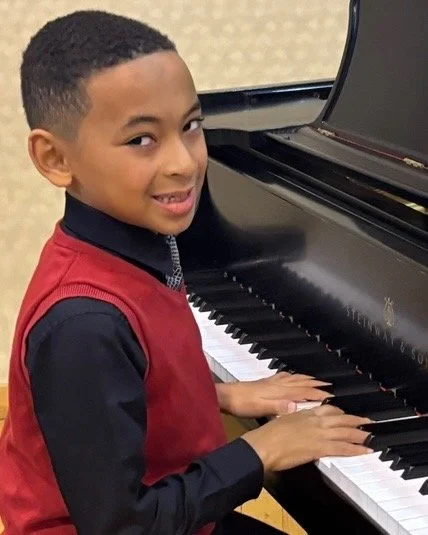
Emmanuel Simonson, son of Victoria Simonson and eighth-great-grandson of William Stives.
They say the apple doesn’t fall far from the tree. In this case, we witness an American story that reminds us that the roots of the tree are just as close but deeper, richer and more connected by far.
The following is an excerpt from the full feature story, “The Many Colors Of Independence,” which appears in the Summer 2026 edition of Prince George’s Suite Magazine.
The Suite: Tell us about William Stives.
Allen: William Stives was a Black patriot and musician who played the fife, a small military flute used to communicate commands on the battlefield. He served for approximately five years and was with Washington's army from Valley Forge to Yorktown. He participated in the crossing of the Delaware River and fought in several major engagements that ultimately helped secure American independence.
The Suite: Many people know DAR because of the Marian Anderson controversy. How did that history influence your perception of the organization?
Allen: Like many African Americans, I was familiar with the story of Marian Anderson being denied the opportunity to perform at Constitution Hall in 1939.
What many people may not realize is that DAR has spent decades working to expand inclusion and tell more complete stories about American history. Today, there are active efforts to identify descendants of African American Forgotten patriots who fought in the Revolutionary War.
That commitment to historical accuracy and inclusion has been very meaningful.
The Suite: Your family seems to have inherited more than military history from William Stives.
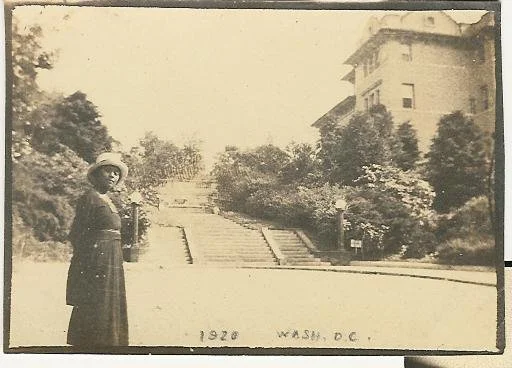

Allen: That's true. Music appears to run through our family line.
William Stives was a military musician. My daughter Pamela became a professional opera singer and performer with the Washington National Opera. My son Victor became the first African American conductor for the Broadway production of Hamilton. My grandchildren are also studying music.
The connection is extraordinary when you think about it.
The Suite: What does this discovery mean to you personally?
Allen: It fills me with gratitude.
I'm honored that our family can tell this story and help preserve the legacy of William Stives. More importantly, I hope it encourages other families to explore their own histories.
You never know what extraordinary story may be waiting to be discovered.