


Burst Pipe Forces Closure of Prince George’s County Health and Human Services Building
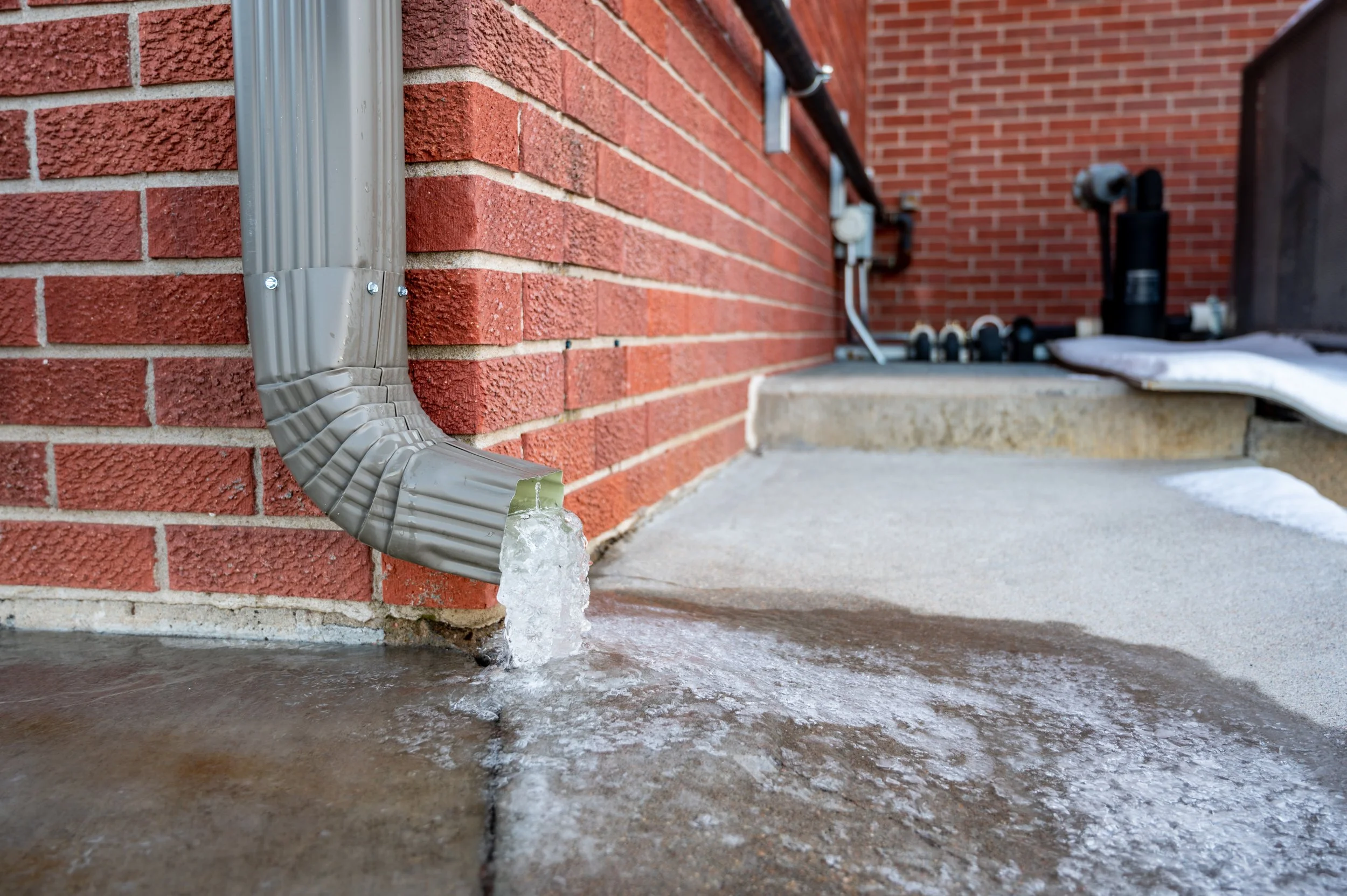
Cold Snap Urges Residents, Biz Owners to Prepare for Cold Weather
LARGO, MD — Prince George’s County officials closed the Health and Human Services (HHS) Building at 9187 Central Avenue in Capitol Heights on Dec. 15 after a burst pipe caused significant flooding inside the facility, disrupting operations for multiple county departments and prompting renewed warnings about cold-weather preparedness for homes and businesses across the county.
The incident occurred December 15 when a pipe burst inside the newly opened HHS Building. The Prince George’s County Fire and EMS Department responded promptly, shutting off the building’s water supply and safely evacuating staff. No injuries were reported, but flooding damage forced the building’s immediate closure until further notice.
The HHS Building houses the Department of Family Services (DFS), the Prince George’s County Health Department (PGCHD), and a Maryland-National Capital Park and Planning Commission (M-NCPPC) senior activity center. Staff have been instructed to telework while county officials assess the extent of the damage and determine when the facility can safely reopen to the public. County leadership said updates will be shared as repairs progress.

Despite the closure, officials emphasized that many essential services remain available remotely. Residents can access DFS services online at familyservices.mypgc.us or by phone at 301-265-8401. Health Department services remain available online at health.mypgc.us or by calling 301-883-7879 during normal business hours, Monday through Friday from 8:30 a.m. to 5 p.m. .
County officials said the incident serves as a reminder of the risks posed by freezing temperatures, especially to plumbing systems in both public facilities and private properties.
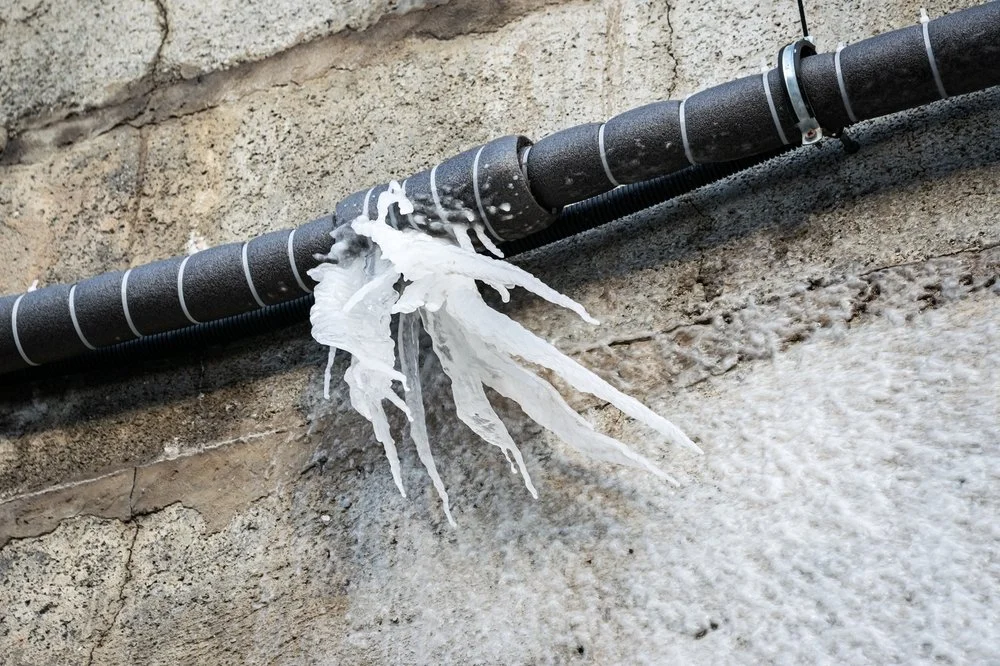
How Residents and Business Owners Can Prevent Frozen and Burst Pipes
As winter temperatures drop, public safety officials urge homeowners and small business owners to take proactive steps to protect their properties and avoid costly water damage.
Insulate exposed pipes. Pipes located in basements, crawl spaces, garages, and exterior walls are especially vulnerable. Use pipe insulation sleeves or heat tape to help maintain warmth.
Allow faucets to drip. During extreme cold, letting faucets drip slightly keeps water moving, reducing pressure buildup that can cause pipes to burst.
Open cabinet doors. In kitchens and bathrooms, opening cabinet doors allows warm air to circulate around plumbing located along exterior walls.
Maintain indoor heat. Keep thermostats set consistently, even overnight or when a property is unoccupied. Business owners should ensure heating systems remain operational during off-hours.

Seal air leaks. Caulk or seal gaps around doors, windows, and utility penetrations where cold air can enter and freeze pipes.
Know how to shut off water. Property owners should locate and test their main water shut-off valve in advance so water can be stopped quickly if a pipe bursts.
Drain outdoor systems. Disconnect garden hoses and drain irrigation systems before freezing temperatures arrive.
If pipes do freeze, officials advise keeping faucets open and applying gentle heat—such as a hair dryer or warm towels—starting near the faucet and moving toward the frozen section. Open flames should never be used.
County leaders stressed that preparation is key, noting that a single burst pipe can disrupt services, damage property, and displace residents or workers. As temperatures continue to fluctuate this winter, residents are encouraged to remain vigilant and take preventative steps to protect their homes and businesses.
Updates on the HHS Building reopening will be shared as repairs continue.