
Buenos Dias, Madam Speaker
Joseline A. Peña-Melnyk Is The First Latina And First Immigrant To Become House Speaker. She’s Also From Prince George’s And She Has A Great Story
Source: Media Compilation
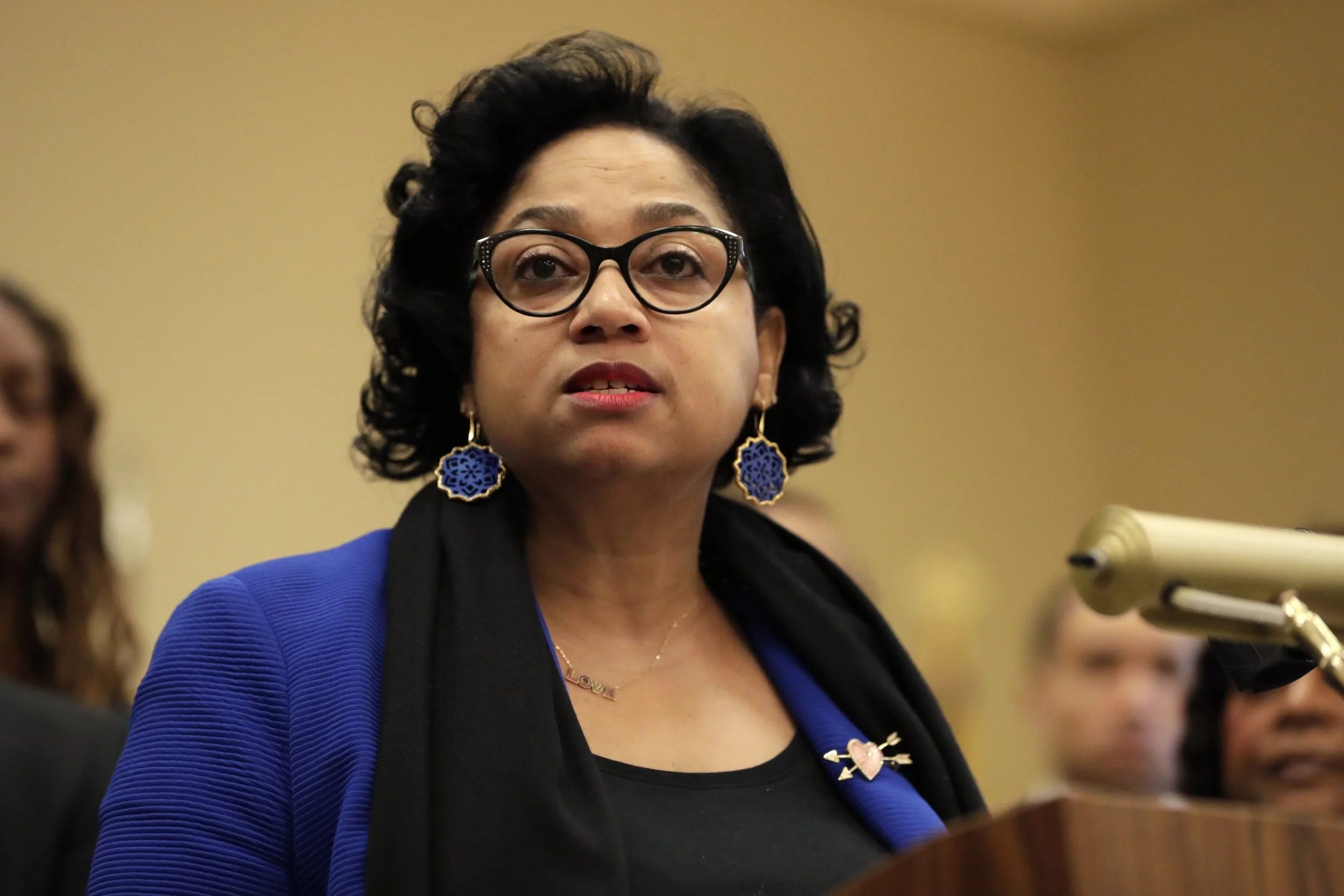
MAIN PHOTO: Maryland Delegate Joseline Pena-Melnyk, a member of the Legislative Black Caucus of Maryland, speaks during a news conference during the first day of the state's 2020 legislative session, Wednesday, Jan. 8, 2020, in Annapolis, Md. (AP Photo/Julio Cortez)
For many Marylanders watching from Prince George’s County, the I-95 corridor, and the D.C. media market, Joseline Peña-Melnyk’s election to House speaker carries an additional meaning: a leadership story that mirrors the region itself—immigrant roots, multilingual communities, and a public-sector ecosystem where local service and state power are never far apart. (WYPR)

On December 16, 2025, Maryland lawmakers chose Del. Joseline A. Peña-Melnyk (D–District 21, Prince George’s & Anne Arundel) as the next Speaker of the Maryland House of Delegates, elevating a veteran health-policy lawmaker to the chamber’s most powerful gavel in a vote that colleagues and observers framed as both a leadership reset and a milestone for representation. (Maryland Matters)
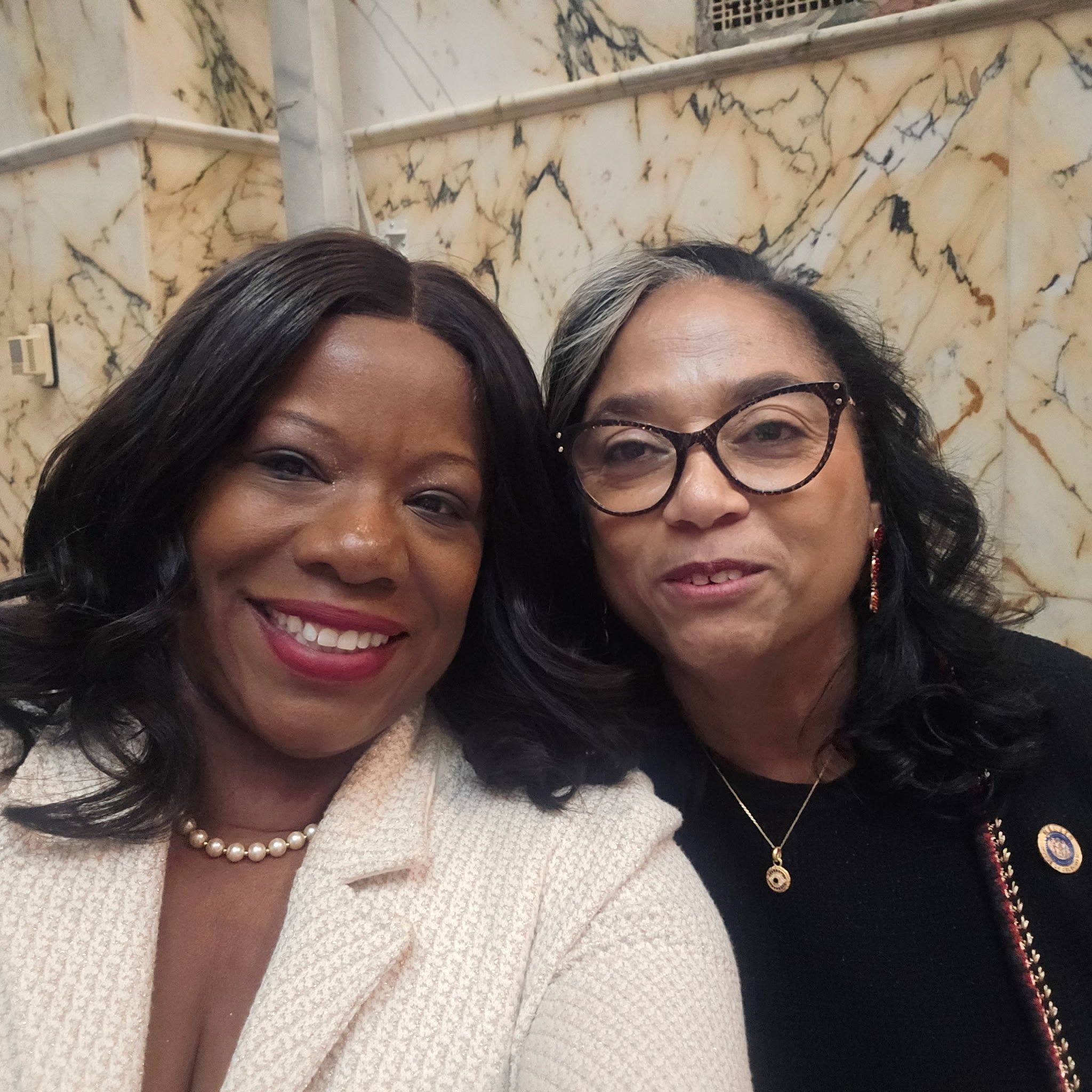
Prince George’s County Executive Aisha Braveboy and Joseline Peña-Melnyk in Annapolis.
Her election followed the December 4 announcement by outgoing Speaker Adrienne A. Jones that she would step down from the post while remaining in the House—closing one historic chapter and opening another as Democrats moved quickly to avoid prolonged caucus instability ahead of the 2026 session. (The Washington Post)
A historic gavel—by biography and by barrier-breaking
Peña-Melnyk’s win is being described as historic because she becomes the first immigrant and first Afro-Latina to lead the Maryland House, a symbolic marker in a state legislature whose top ranks have become more diverse in recent years. (Maryland Matters)
In Annapolis, that “first” status is not just a headline—it becomes part of the governing narrative. Peña-Melnyk takes over at a moment when Maryland leaders are grappling with competing pressures: budget constraints, public demand for affordability, and political fights that increasingly spill across state and federal lines in the Washington region. (The Washington Post)
From Dominican Republic to College Park—and into leadership
Peña-Melnyk’s public biography reflects a path common in the D.C.–Maryland corridor: immigration, education, public service, and local elected office as a runway to statewide influence.
The Maryland Manual notes that she has served in the House leadership structure and—most significantly in recent years—was Chair of the House Health and Government Operations Committee (2022–2025) before becoming Speaker on December 16, 2025. (Maryland State Archives)


Local reporting has also emphasized her professional legal background—experience that shaped her reputation as a methodical committee leader focused on pragmatic negotiation and the details of implementation. (The Washington Post)
Before her rise in Annapolis, Peña-Melnyk served as a College Park City Council member, a local-government chapter that supporters cite as grounding for a Speaker who will need to balance statewide priorities with the day-to-day realities constituents feel in their bills, clinics, schools, and neighborhoods. (The Diamondback)
Her lawmaking brand: healthcare access, equity, and consumer protection

Peña-Melnyk is best known in the legislature for health policy—less the splashy ribbon-cutting lane and more the “how does this actually work?” lane that runs through insurance rules, public health capacity, and patient protections.
One widely cited example is her sponsorship of legislation aimed at expanding abortion access by broadening who can provide abortion care after training—an issue that has defined statehouses nationwide as federal protections shifted. Peña-Melnyk publicly framed the push as evidence-based policy meant to widen access while protecting safety. (Axios)
Advocacy groups have also pointed to her role in major equity-focused healthcare efforts, including legislation tied to establishing a Maryland Commission on Health Equity—reflecting a policy focus on disparities and outcomes, not only service volume. (healthcareforall.com)
More recently, Peña-Melnyk’s legislative orbit has included consumer-facing affordability measures such as medical debt policy. In the 2025 session, for instance, House legislation addressed circumstances under which hospitals may sell patient medical debt and required guardrails around collection activity in certain situations—an issue that resonates acutely in a high-cost region where even insured families can face significant bills. (Maryland General Assembly)

Taken together, these efforts sketch the profile Maryland Democrats just elevated: a Speaker who has built influence by translating complex health and government operations issues into bills that can survive the legislative process—and, crucially, be implemented by agencies and providers without collapsing under their own administrative weight. (Maryland State Archives)
What comes next: governing in a special-session spotlight
Peña-Melnyk’s first day in the top job was not ceremonial for long. The same special-session environment that produced her election also included intense debates—most notably around veto overrides—underscoring that the House is entering 2026 with major policy disputes already warm. (The Washington Post)
Maryland’s next Speaker will be judged quickly on two fronts: how effectively she manages the internal coalition politics of a large Democratic caucus, and how decisively the House can move on the “kitchen table” concerns—healthcare, affordability, public safety, and services—that dominate voter expectations in the Washington suburbs and beyond. (The Washington Post)