

Spring Greening
Prince George’s County Plants the Seeds of Equity with Major Urban Tree Initiative
LARGO, MD — In neighborhoods where tree cover has long been sparse and summer heat lingers heavily over pavement, Prince George’s County is taking bold, visible action—planting more than 2,100 native trees and thousands of additional plantings in a sweeping effort to reshape both the landscape and the future of environmental equity.
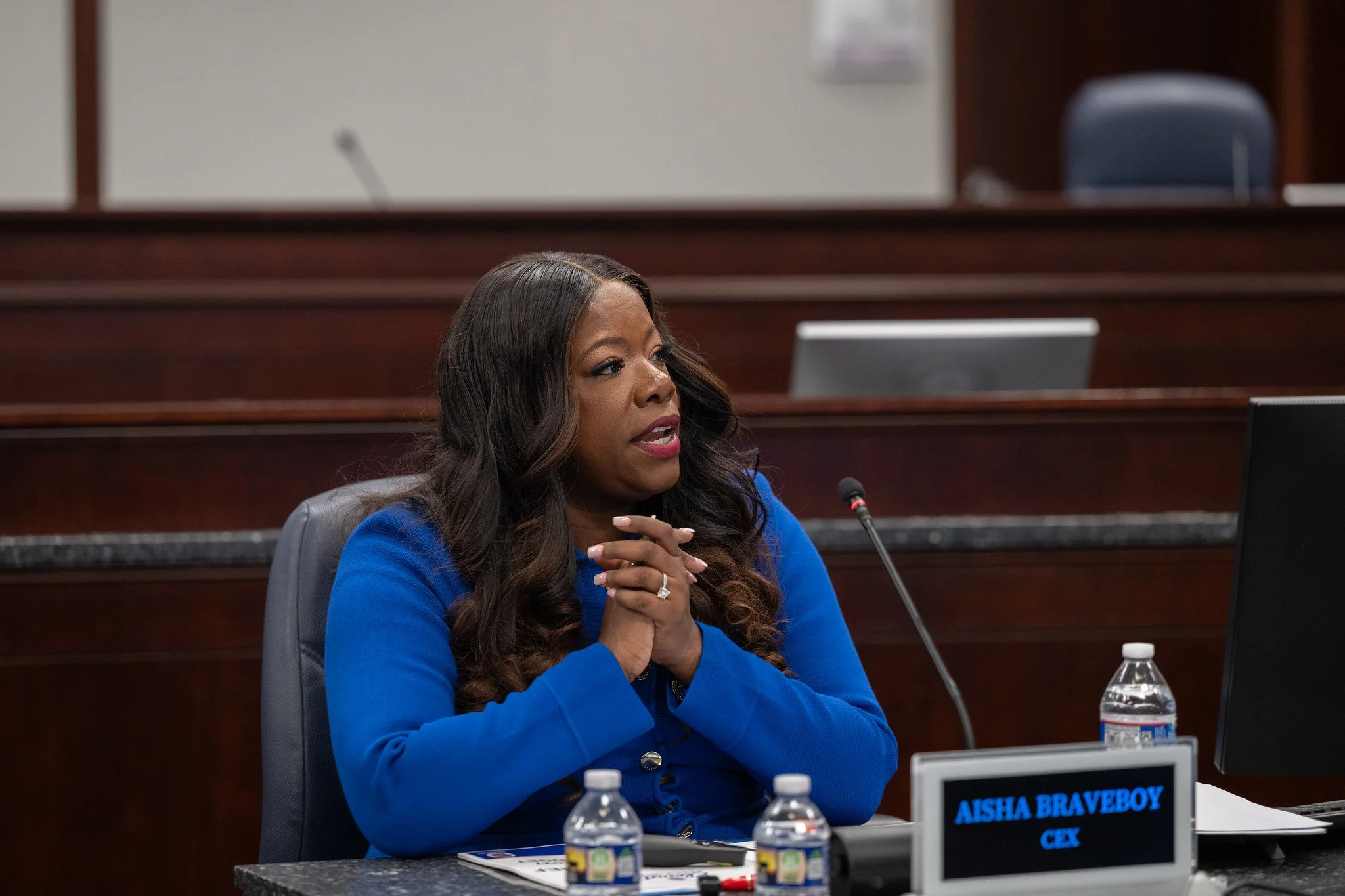
County Executive Aisha Braveboy
Through its Urban Tree Planting Program, the County will install 2,147 native trees alongside more than 3,000 native perennials, shrubs, and smaller trees by the end of May. The effort spans communities including the City of District Heights, the Town of Capitol Heights, and the Town of Bladensburg, with additional sites at homeowners association properties and local churches expected to follow.
But this is more than a beautification campaign—it is a strategic environmental intervention rooted in science, public health, and long-overdue equity.
“This investment reflects our commitment to environmental justice and climate resilience,” said County Executive Aisha Braveboy. “For decades, some of our communities have experienced the impacts of historic inequities—lower tree canopy, higher heat exposure, and greater flood risk. This is about restoring balance and ensuring every neighborhood benefits from a greener future.”
Environmental experts agree that trees are among the most effective—and cost-efficient—tools available to combat climate change at the local level. Often referred to as “natural infrastructure,” trees absorb carbon dioxide, filter air pollutants, and reduce temperatures in densely built environments. In areas dominated by asphalt and concrete, tree canopy can lower surface temperatures by as much as 10 to 15 degrees, directly reducing heat-related health risks.

The program also plays a critical role in stormwater management. By intercepting rainfall and allowing water to slowly infiltrate the soil, trees reduce runoff that can overwhelm drainage systems and contribute to flooding—a growing concern in many county communities.
Dr. Sam Moki, Director of the County’s Department of the Environment, emphasized the long-term benefits: “Trees are essential to building resilient communities. They improve air quality, support mental and physical health, and help stabilize neighborhoods facing climate stress.”
Importantly, the county is using advanced equity-based mapping tools to determine where these trees are planted. By analyzing data from MDEnviroScreen and the Department of the Environment’s Tree Equity Mapping Tool, officials are prioritizing areas with low canopy coverage, high impervious surfaces, and elevated vulnerability to heat and pollution.
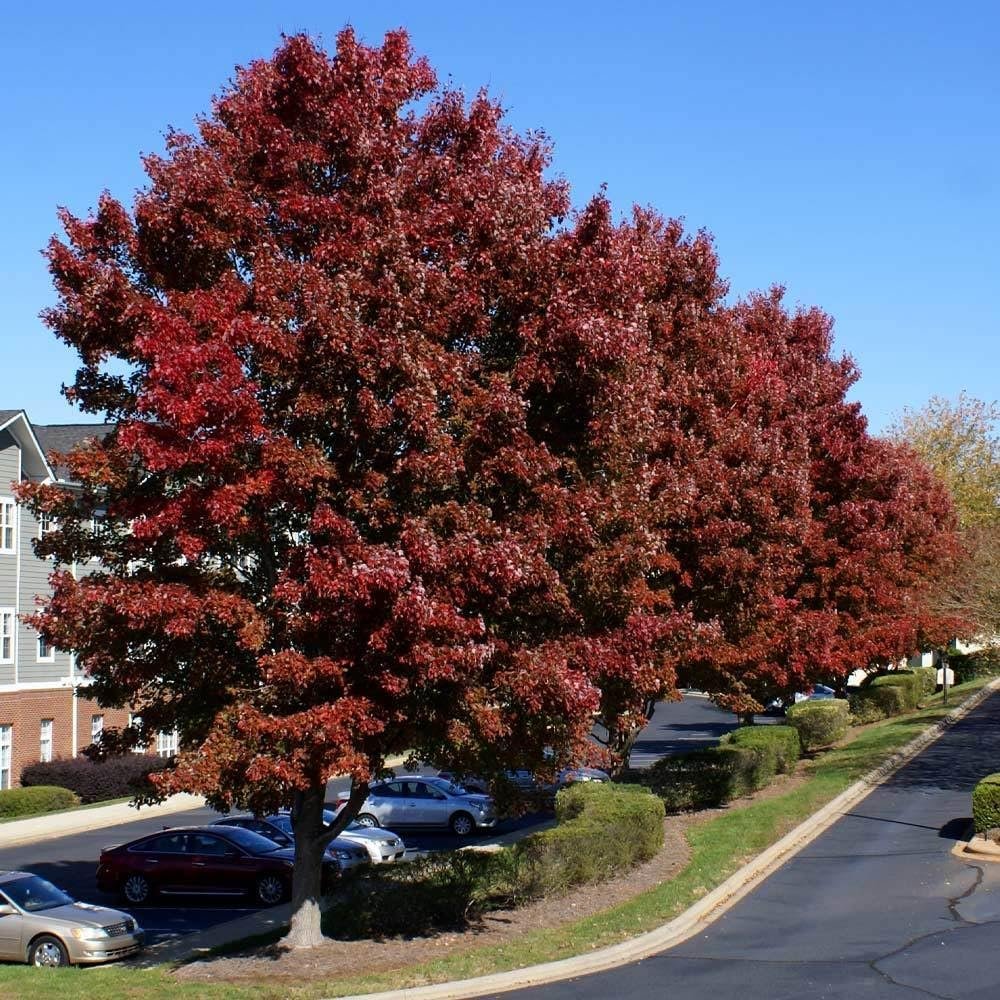

The addition of thousands of native understory plants further strengthens the initiative. These species enhance biodiversity, support pollinators like bees and butterflies, and improve soil health—creating ecosystems that are not only greener, but self-sustaining.
The program is supported by the Chesapeake Bay Trust Urban Tree Grant Program in partnership with the Maryland Department of Natural Resources, aligning with the state’s Tree Solutions Now Act of 2021, which calls for five million new trees by 2031.
As planting continues across the County, officials are documenting the transformation—capturing before-and-after images that tell a powerful story of renewal.
In Prince George’s County, the message is clear: environmental justice is not an abstract concept—it is being planted, one tree at a time.