

Hunkering Down in a Climate-Changing World
Prince George’s Invests $400,000-Plus to Build Climate-Ready Communities
When the power goes out, floodwaters begin rising or another dangerous heat wave settles over Prince George’s County, residents may soon have more places in their own neighborhoods to turn for help.
Prince George’s County is investing more than $400,000 in 15 community-led projects designed to make neighborhoods better prepared for extreme weather and other climate emergencies. Working with the Chesapeake Bay Trust, the County Department of the Environment is funding projects that range from community gardens and solar backup power to emergency preparedness programs and neighborhood “Resilience Hubs.”
The investment comes at an important moment. Prince George’s is experiencing more frequent extreme heat, heavier rainfall and flooding, according to the County. Those threats are no longer theoretical. In 2019, extreme heat was responsible for more than 20 deaths in Prince George’s County, according to the County’s Climate Action Plan. In June 2024, Maryland’s first reported heat-related death of that season occurred in Prince George’s—a 59-year-old man.

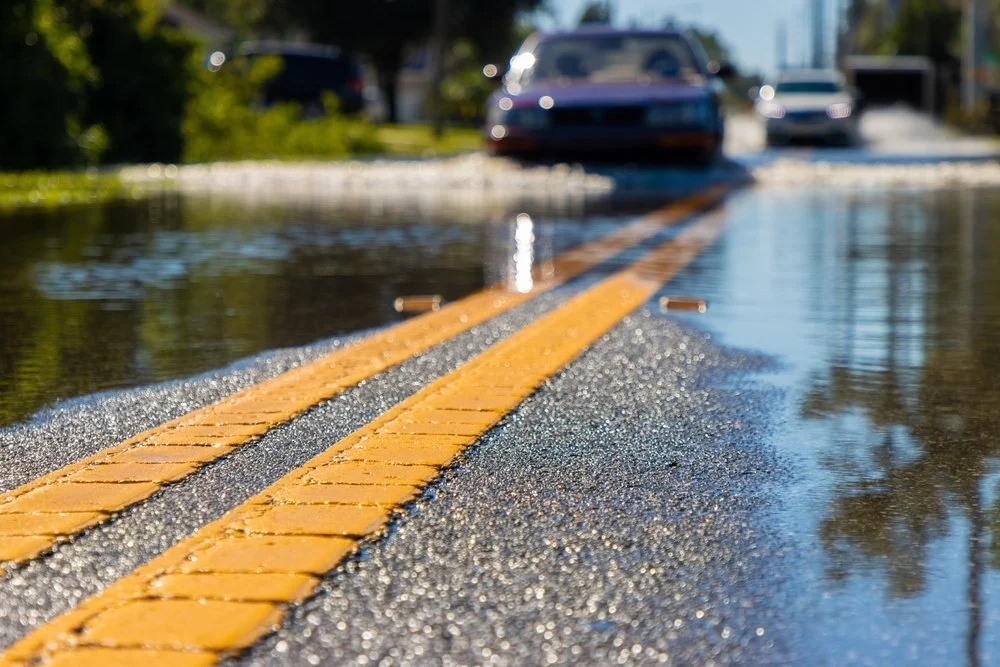
Flooding has left its own painful history. Tropical Storm Agnes caused more than $10 million in damage in Prince George’s County and Laurel in 1972, while Tropical Storm Lee brought severe flooding to Upper Marlboro in 2011. More recently, flash flooding struck Greenbelt in July 2025, covering portions of Southway Road, Greenbelt Road and the Baltimore-Washington Parkway.
That history helps explain why these grants matter.
“Climate resilience begins at the community level,” said Department of the Environment Director Dr. Samuel B. Moki, emphasizing that residents need resources and partnerships to prepare for and recover from extreme weather.
The Resilience Hubs are intended to become trusted neighborhood locations where residents can receive information, resources and assistance before, during and after climate emergencies. They will complement traditional cooling centers, warming centers and shelters.
Projects are spread throughout the County. Greenbelt Homes, Inc. received $35,000 for renewable-energy storage research; Berwyn Heights received $38,200 for a mobile resilience hub; Capitol Heights received $28,500 for a hub and outdoor garden; and Fish of Laurel received $50,000 for a permanent commercial solar backup generator.
Ultimately, the initiative is about putting emergency readiness closer to home—inside the churches, community organizations, municipalities and gathering places residents already know and trust. In a County where climate emergencies increasingly touch everyday life, that neighborhood connection could prove just as valuable as the dollars being invested.
How Can Residents Participate?
These projects are designed to put climate preparedness directly into Prince George’s County communities. Residents can watch for workshops, training sessions, community-garden activities, food-production programs and emergency-preparedness events offered by the participating organizations. Some hubs will also provide practical resources such as emergency kits, solar chargers and preparedness information.
Residents interested in becoming more involved should contact the participating organization or municipality in their community for information about upcoming programs and volunteer opportunities.
Climate Resilience Grants: Where the Money Is Going
Prince George’s County and the Chesapeake Bay Trust are investing more than $400,000 in 15 community-based climate resilience projects. The grants support everything from solar backup power and community REAL ESTATEREALgardens to emergency preparedness training and neighborhood Resilience Hubs.
Funding by Community & Organization
Cottage City — $40,000: Community garden and climate-resilience educational workshops.
Greenbelt — $35,000: Greenbelt Homes, Inc. will research renewable-energy storage and its potential use within the housing cooperative.
Berwyn Heights — $38,200: Development of a mobile Resilience Hub to assist residents during climate-related events.
Laurel — $20,000: Outdoor educational pavilion and programs focusing on sustainable practices and community preparedness.
Housing Initiative Partnership — $37,375: Research into renewable energy as a power source for three housing units.
St. Christopher’s Episcopal Church — $15,760: Establishment of a community Resilience Hub.
Langley Park — $18,904: The Langley Park Civic Association will establish a community food forest.
Alice Ferguson Foundation — $12,152: Educational workshops designed to improve preparedness for climate-related events.
Nehemiah Family Worship Center — $23,000: Workshops on sustainable food production and addressing food insecurity.
Wisdom Warriors Inc. — $44,804: A Resilience Hub offering workshops, community events, solar chargers, emergency kits and preparedness guides.
Fish of Laurel, Inc. — $50,000: Installation of a permanent commercial solar backup generator capable of providing at least 30 kilowatts of electrical power.
Centro de Apoyo Familiar — $20,000: Resilience Hubs offering climate-preparedness training, environmental stewardship and community-resilience workshops.
Gethsemane United Methodist Church — $33,000: Energy-efficient and sustainable HVAC upgrades.
Capitol Heights — $28,500: A Resilience Hub and outdoor garden for community resources and programming.
Bladensburg — $22,000: A Resilience Hub featuring educational programming and hands-on sustainable food-production workshops.