
After Five Years Of Giving, A Healthier Future Ahead
The University of Maryland Capital Region Health Foundation Celebrates Five Years of Giving
A hospital’s progress is measured in more than new buildings and advanced equipment. It is also measured in the mother who feels supported, the cancer patient receiving treatment closer to home and the family finding help when life becomes overwhelming.
Those everyday victories will take center stage October 24 as the University of Maryland Capital Region Health Foundation celebrates five years of giving, growth and community impact.
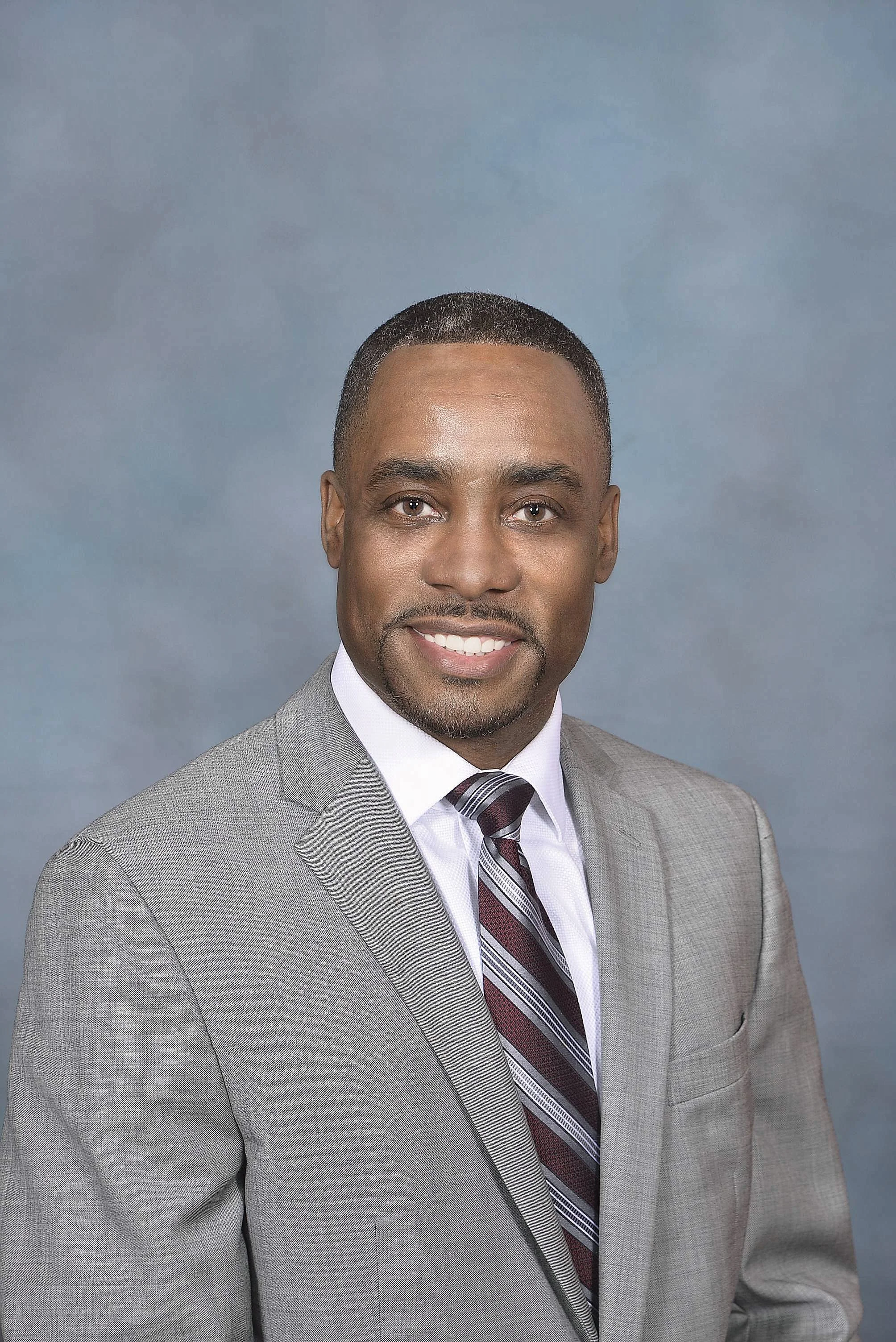
University of Maryland Capital Region Medical Center President Nathaniel Richardson
Scheduled from 6 to 11 p.m. at Gaylord National Resort & Convention Center in National Harbor, the anniversary celebration will bring together supporters, caregivers and neighbors for an evening of inspiring stories, gourmet cuisine, dancing, vendors and honors recognizing hospital departments and service lines.
There is plenty to celebrate.
Since opening in Largo in 2021, UM Capital Region Medical Center has helped reshape the county’s health care landscape. Another major step followed in March 2024, when the Cancer Center opened within the Center for Advanced Medicine. Its coordinated approach brings cancer surgeons, medical oncologists and radiation specialists together, with services including chemotherapy and immunotherapy. For patients, that means access to comprehensive treatment within their community.
Progress also reaches beyond traditional medical treatment. Through its partnership with the Capital Area Food Bank, UM Capital’s Food Pharmacy has served more than 200 families since opening in 2024 (See story in Prince George’s Suite Magazine, Summer/Fall 2026). The collaboration addresses food insecurity alongside diet-related health conditions, recognizing that healthier lives often begin with reliable access to nutritious meals.
Meanwhile, growing demand for maternity services reflects another success. The health system reported that births assisted by its midwifery team increased from approximately 40–45 monthly in 2021 to 90–100. Plans to hire additional midwives support that growth while preserving personalized care and choices for expectant mothers.
The next chapter includes strengthening support for people recovering from violence. State grant funding announced in September will enable the Capital Area Violence Intervention Program to provide clothing and transportation assistance, while training frontline staff to respond to gun violence. These practical investments extend healing beyond the emergency department.
Together, those efforts offer a picture of the hospital’s direction: expanding access, supporting families and connecting clinical expertise with the realities of daily life.
The Foundation’s anniversary invites the community to help sustain that momentum. Gifts, partnerships and service can strengthen programs that meet residents at their most vulnerable moments.
On October 24, the celebration in Gaylord’s Woodrow Wilson A ballroom will honor that shared commitment—and the healthier future it can help create.