
Food As Medicine

How a Hospital Partnership Is Fighting Hunger and Chronic Disease in Prince George’s County
For thousands of families across the county, the challenge of maintaining good health begins long before they enter a doctor’s office. It starts in neighborhoods where grocery stores have disappeared, healthy food options are scarce, and household budgets have been stretched thin by rising living costs, job losses, and economic uncertainty.

The consequences are visible in emergency rooms, primary care clinics, and hospital wards throughout the county. Diabetes, hypertension, obesity, heart disease, and pregnancy-related complications often share a common underlying factor: inadequate access to nutritious food.
That reality has made food insecurity one of the most urgent public health issues facing Prince George’s County today.
Recent years have seen the closure of several grocery stores and food retailers in portions of the county, leaving many communities struggling to access fresh fruits, vegetables, and other healthy foods. Residents in areas such as Suitland, District Heights, Capitol Heights, portions of Langley Park, Temple Hills, Oxon Hill, and sections of Greater Landover have long faced challenges associated with food deserts—communities where affordable, nutritious food is difficult to obtain.
At the same time, many Prince George’s County families have endured financial strain caused by inflation, rising housing costs, and reductions in federal employment opportunities. The ripple effects of workforce reductions and job losses connected to federal government restructuring initiatives have left some households facing difficult choices between paying rent, purchasing medication, or buying groceries.
For many residents, food insecurity is not an occasional inconvenience. It is a daily reality.
Food banks across Maryland have reported increased demand in recent years, while local nonprofit organizations continue to see growing numbers of working families seeking assistance. County officials have repeatedly highlighted the fact that more than 110,000 Prince George’s County residents rely on SNAP benefits, including tens of thousands of children.
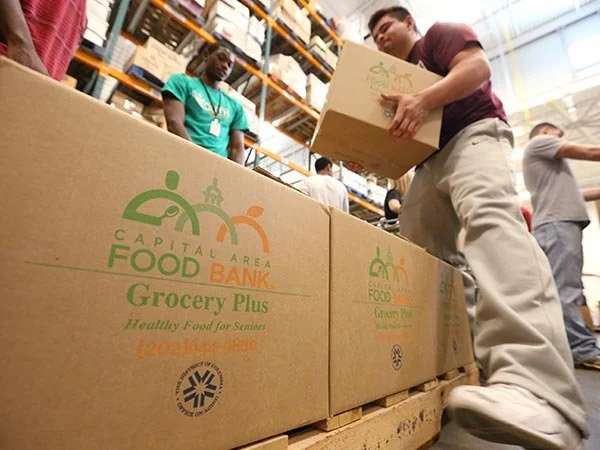
Against this backdrop, a unique partnership between the Capital Area Food Bank and the University of Maryland Capital Region Health is addressing hunger through an innovative approach that treats nutritious food as an essential component of healthcare.

Located on the University of Maryland Capital Region Medical Center campus in Largo, the Capital Area Food Pharmacy is helping patients gain access to the healthy foods needed to manage chronic illnesses and improve long-term health outcomes. The program recently celebrated a significant milestone: serving more than 200 families since its launch.
The concept is simple but transformative.
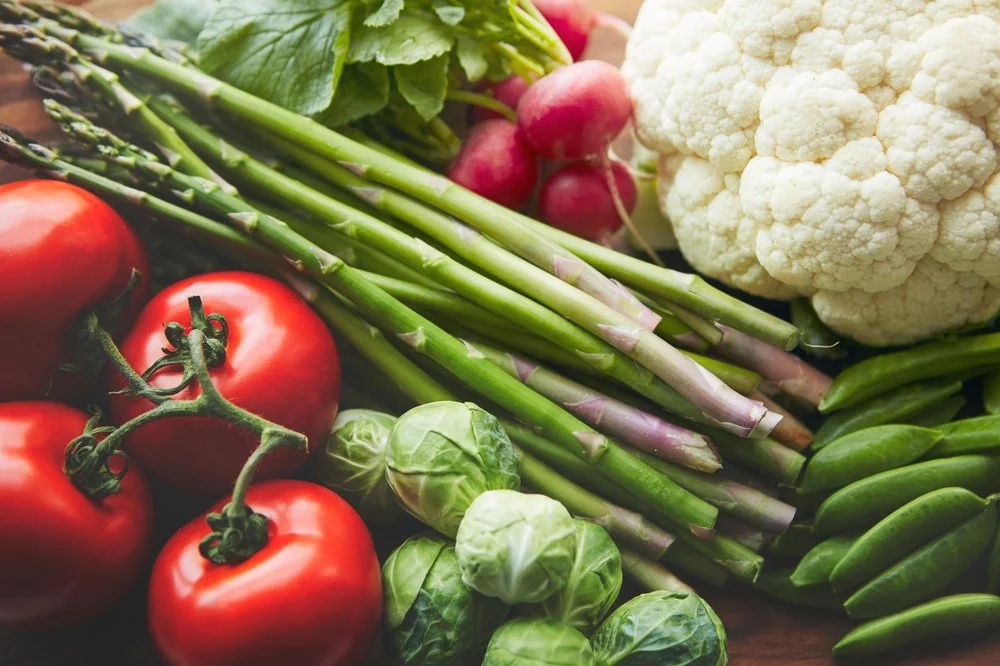
Patients who are identified as food insecure can receive a physician referral that functions as a prescription. Instead of filling that prescription at a traditional pharmacy, patients visit the Food Pharmacy and receive approximately 40 pounds of fresh produce and shelf-stable groceries every two weeks at no cost. The food is carefully selected to support individuals facing high-risk pregnancies, gestational diabetes, hypertension, pre-diabetes, Type 2 diabetes, obesity, and other diet-related conditions.


For many participants, the program removes one of the greatest barriers to better health.
A mother managing gestational diabetes, for example, may understand the importance of fresh vegetables and healthy proteins but lack the financial means to purchase them regularly. A senior citizen living on a fixed income may be forced to choose between medication and groceries. A family dealing with unemployment may rely on inexpensive processed foods because healthier alternatives remain out of reach.
The Food Pharmacy helps bridge that gap.
“When our neighbors don’t have access to good, nutritious food, they’re facing an uphill battle toward achieving better health,” said Radha Muthiah, president and CEO of the Capital Area Food Bank. The partnership allows patients to access both medical care and healthy food in one location, reducing costs and improving convenience for families already under stress.
The initiative is part of the growing national “Food Is Medicine” movement, which recognizes that healthcare outcomes are directly linked to nutrition. Research cited by the partners indicates that people experiencing food insecurity are twice as likely to suffer from diet-related diseases that affect their quality of life.
That connection is particularly important in Prince George’s County, where chronic illnesses continue to disproportionately affect many communities.
Doctors can prescribe medications to control blood pressure or blood sugar levels, but those treatments become significantly less effective when patients lack access to nutritious meals. Medical professionals increasingly recognize that healthcare interventions must address the social and economic factors that influence health.
Nathaniel Richardson Jr., president of University of Maryland Capital Region Health, said the hospital's mission extends beyond treating illness.
“Through this partnership with the Capital Area Food Bank, we are helping patients access nutritious food that supports healthier lifestyles, helps them better manage chronic conditions and improves overall health,” Richardson said as the program marked its milestone of serving more than 200 families.
The impact reaches beyond individual patients.
Children who receive healthier meals are better positioned to succeed in school. Pregnant women gain access to nutrition that supports healthier births. Seniors can maintain greater independence. Families facing economic hardship gain a measure of stability during uncertain times.
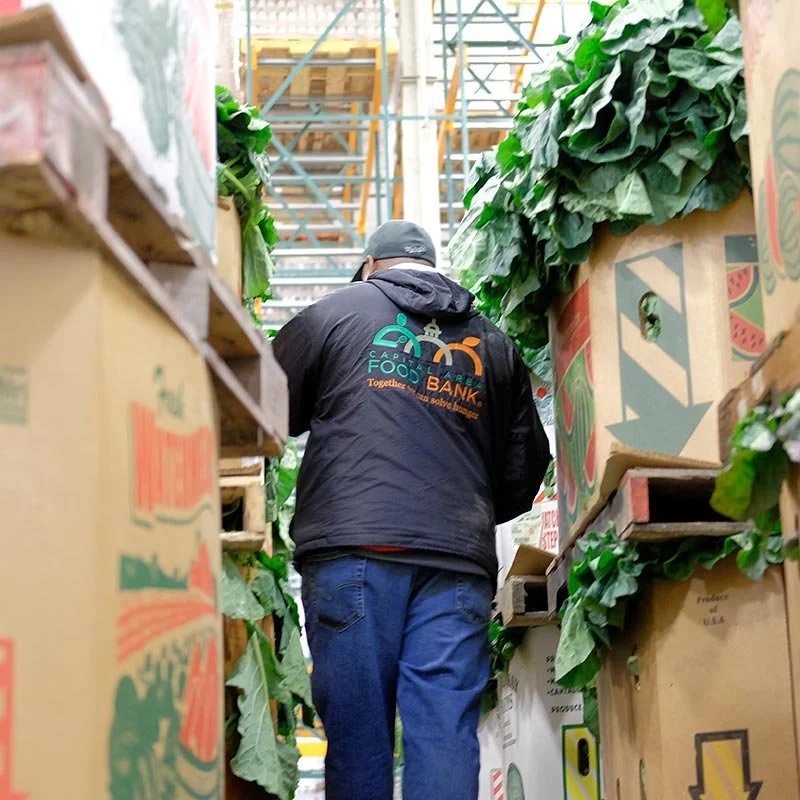
The Capital Area Food Bank, which distributed nearly 62 million meals throughout the region last year, has increasingly focused on partnerships that connect food assistance with healthcare, education, and workforce development services.
In Prince George’s County, where food insecurity and chronic disease often intersect, that approach may prove especially valuable.

The challenge remains substantial. Food deserts persist. Economic pressures continue. Many families still struggle to put healthy meals on the table.
Yet the success of the Food Pharmacy demonstrates that innovative partnerships can make a meaningful difference. By recognizing that food is more than nourishment—that it is preventive medicine, chronic disease management, and a pathway to healthier lives—the Capital Area Food Bank and University of Maryland Capital Region Health are helping build a healthier future for some of the county’s most vulnerable residents.
In a community where hunger and poor health too often travel together, that may be one of the most important prescriptions of all.