
Where Hope Gathers
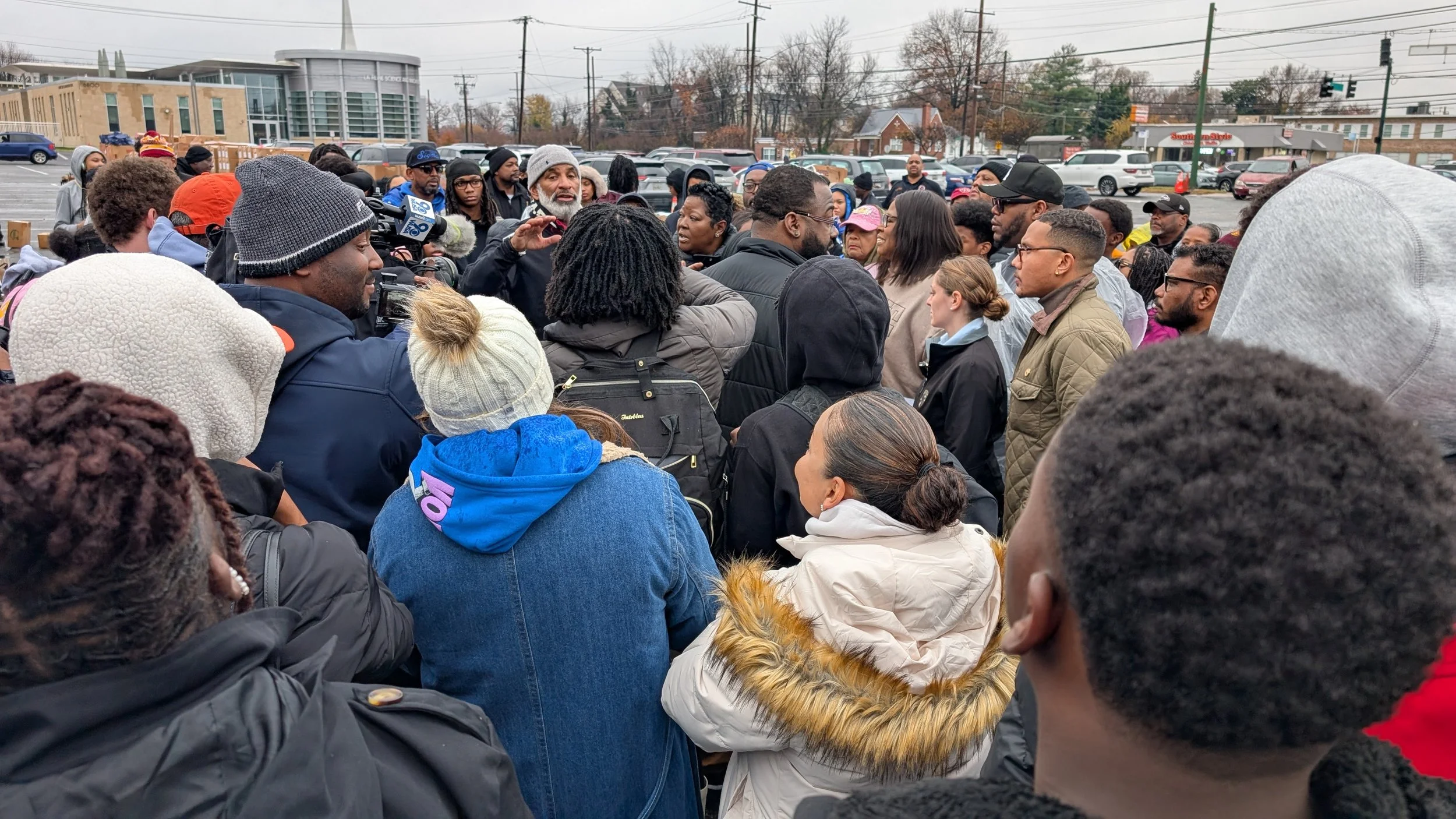
A moment of prayer held just before passing out dinners in Forestville, MD, November 22, 2025. PHOTO: RAOUL DENNIS // PRINCE GEORGE’S SUITE MAGAZINE & MEDIA
Prince George’s County Leaders, Businesses, and Churches Lift Families Through Hard Times
By Raoul Dennis
On cold mornings in Prince George’s County, the food lines begin forming before sunrise. People arrive quietly—parents with children wrapped in blankets, seniors leaning on canes, workers still wearing the uniforms of jobs they recently lost. They stand shoulder to shoulder not just for groceries or hot meals, but for reassurance that they are not alone in a season where so many families feel powerless.
Throughout Maryland, and especially in Prince George’s County, a remarkable coalition of local elected officials, small businesses, and faith leaders has risen to meet this moment with a spirit that feels both timeless and deeply rooted in community. Their response echoes something familiar—an echo from nearly 100 years ago, when Americans gathered in similar lines during the Great Depression. The nation suffered, but communities held each other steady through food, kindness, and shared faith in better days.
Today, those same threads of neighborly love and spiritual resilience run through the hands that pack food boxes, serve meals, pray with strangers, and offer simple words of encouragement.
Leadership Showing Up for Families
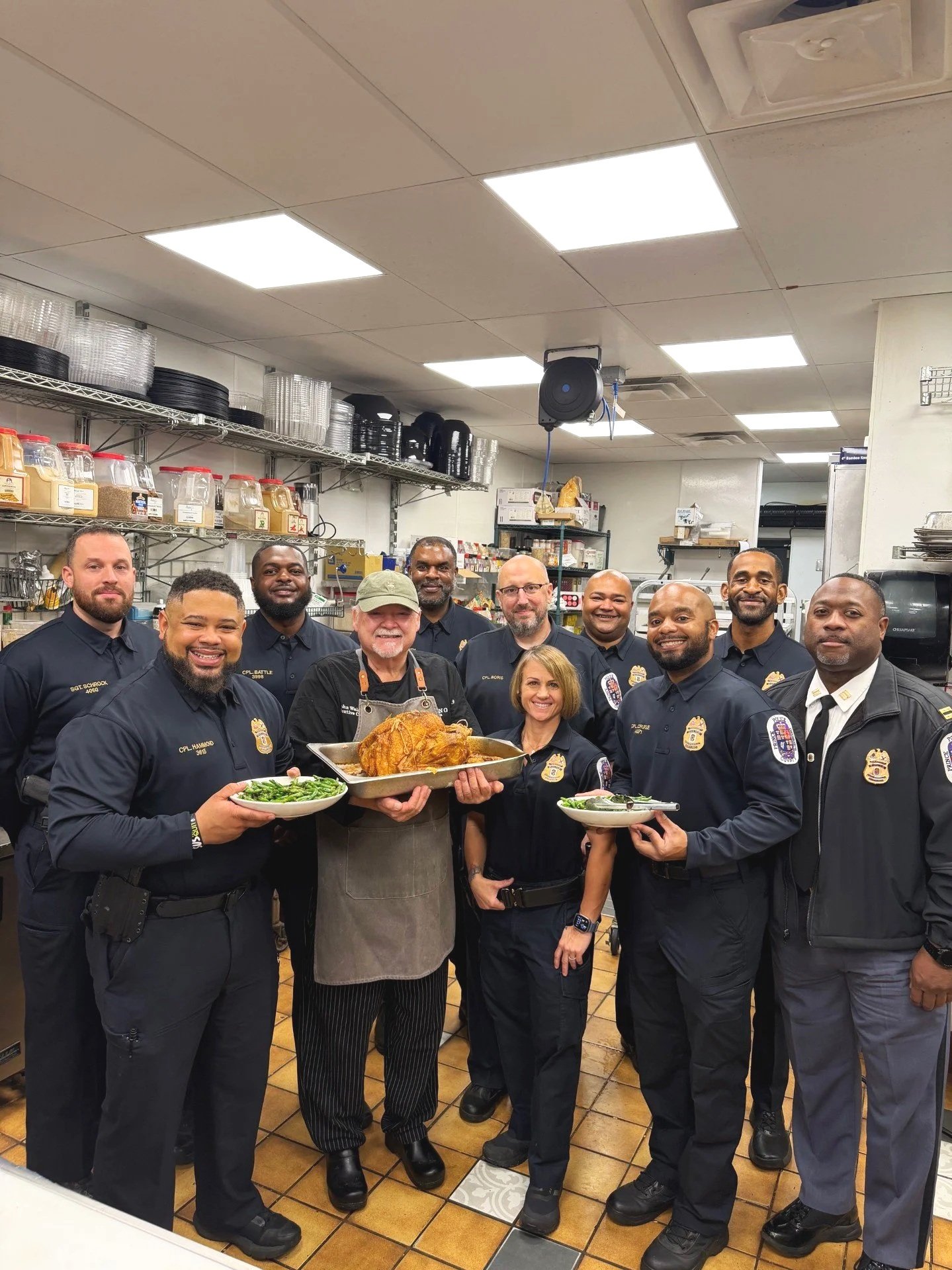
County leaders—from County Executive Aisha Braveboy to councilmembers representing every district—are physically present at food distributions and wellness events. They help load boxes into trunks and hand out fresh produce donated by regional farms and local grocers. Their message is consistent: government must be a steady partner when residents face instability.
In recent months, waves of job cuts, federal furloughs, and private-sector slowdowns have impacted thousands of Maryland families. Braveboy’s administration moved quickly to expand support for food banks, secure emergency grocery deliveries for seniors, and partner with nonprofits to serve residents affected by immigration-related workplace reductions. It is a model of leadership that is visible, accessible, and grounded in compassion.
Top and Above: County Council Chair Krystal Oriadha (top) and County Councilmember Wala Blegay at food giveaway events Nov. 22, 2025.
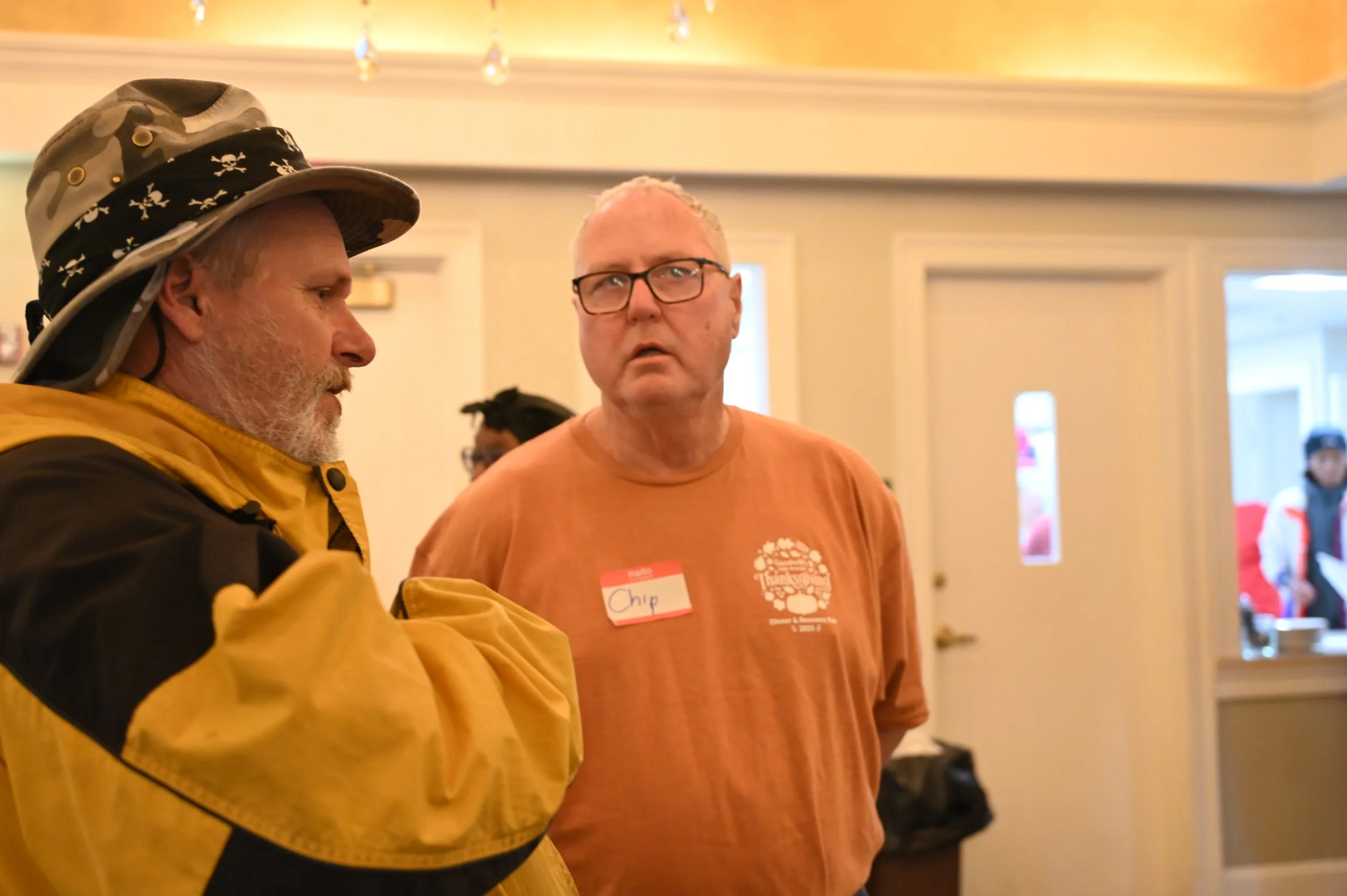
Chip Woods—a Baltimore community leader who volunteers at St. Philip’s Episcopal Church—noticed the same pattern of action over apathy. “It’s not like people are just sitting around and going, ‘Oh geez, I lost my job,’” he said while helping plate meals on Thanksgiving Day. “They’re pitching in and figuring, ‘Hey, we don’t have control over some of these things… but we’re going to do something about it.’”
For him, this season has revealed something profoundly human: “We’re all here helping each other.”
Council offices have transformed into community resource hubs—coordinating meal deliveries, arranging transportation for families without vehicles, and connecting unemployed workers with job counseling. What might look like logistics on paper is, in reality, something far more personal. It is the visible presence of leadership in moments when the future feels uncertain.
Maryland Lt. Governor Aruna Miller and philanthropist Wanda Durant of the Durant Family Charitable Foundation attend Councilmember Oriadha’s dinner giveaway on November 22, 2025.
Local Businesses Give More Than Goods
Across Prince George’s County, small businesses—many facing financial strain of their own—have stepped into a generous rhythm that mirrors the county’s long tradition of entrepreneurship rooted in service.
The Annual Turkey Giveaway hosted by G.S. Proctor & Associates and their partners was hosted Nov. 24 and overall served some 2,230 people this year. Ms. Ella, owner of EllaRay's Cafe, hosted an event on Thanksgiving Day in partnership with G.S. Proctor for furloughed families within the City of District Heights at her restaurant. “We provided Ms. Ella with gift cards for them to purchase fresh ingredients for their menu,” says Charlita Proctor.
“This is truly a partnership across the county, amongst businesses and elected officials, they know their community, they know who is in need and what they need, we did our part and just provided what was needed,” said Proctor, who is the firm’s President & CEO. The annual event is now a nearly 30-year tradition.
Restaurants prepare weekly warm meals for distribution events. Barbershops collect canned goods. Child-care centers host diaper and formula drives. Funeral homes offer grief counseling to families dealing not only with loss but with the emotional toll of sustained financial instability.
One business owner in Capitol Heights summed up the sentiment while handing out cartons of eggs: “We’re all carrying something heavy right now. Helping each other lightens the load.”

Woods saw the same spirit while visiting a large meal service in Baltimore the day before Thanksgiving: “They had 10,000 people. There’s a lot of activity… a lot of people stepping up.”
It is the kind of unscripted, heartfelt giving that defined the informal networks of support during the Depression—neighbors handing neighbors potatoes from backyard plots, families sharing what little they had. Those offerings were small in material measure but enormous in emotional weight. Today’s gestures feel similar.
Faith Institutions Anchor the Community
Churches, mosques, temples, and synagogues throughout Maryland have become some of the most reliable centers of relief. In Prince George’s County, sanctuary halls double as pop-up distribution sites where volunteers pack boxes under stained-glass windows and hymnals rest quietly behind them.
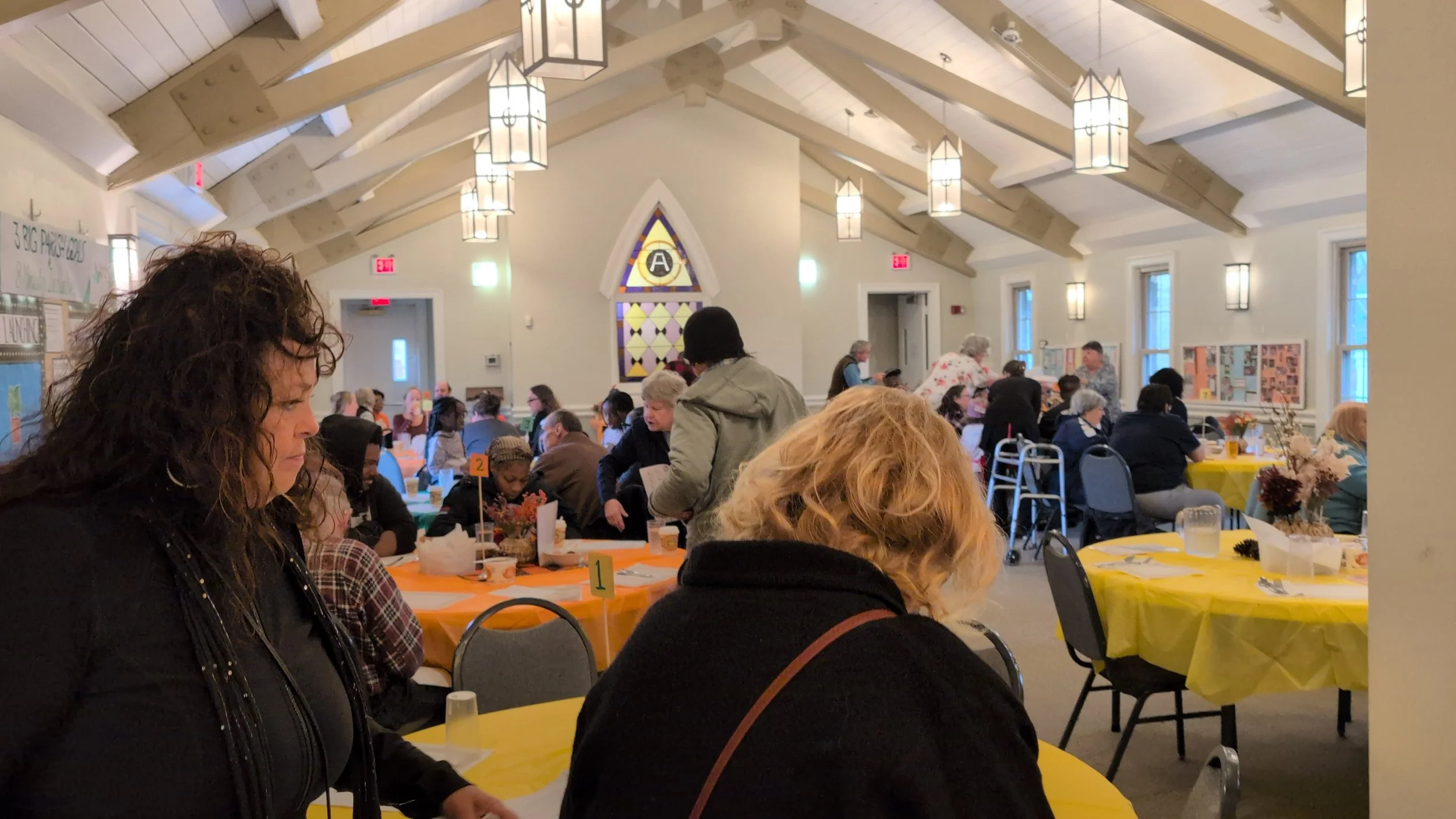
At St. Philip’s in Laurel—one of the county’s oldest churches—the Thanksgiving meal feels like a lesson in love and excellence. Priest Robert Bunker, who has served the parish for seven years, describes the work as intentional and rooted in what he calls radical hospitality. “It doesn't happen by accident,” he explained. “It’s asking the question of how we want to be served—because that’s how we want to serve others.”
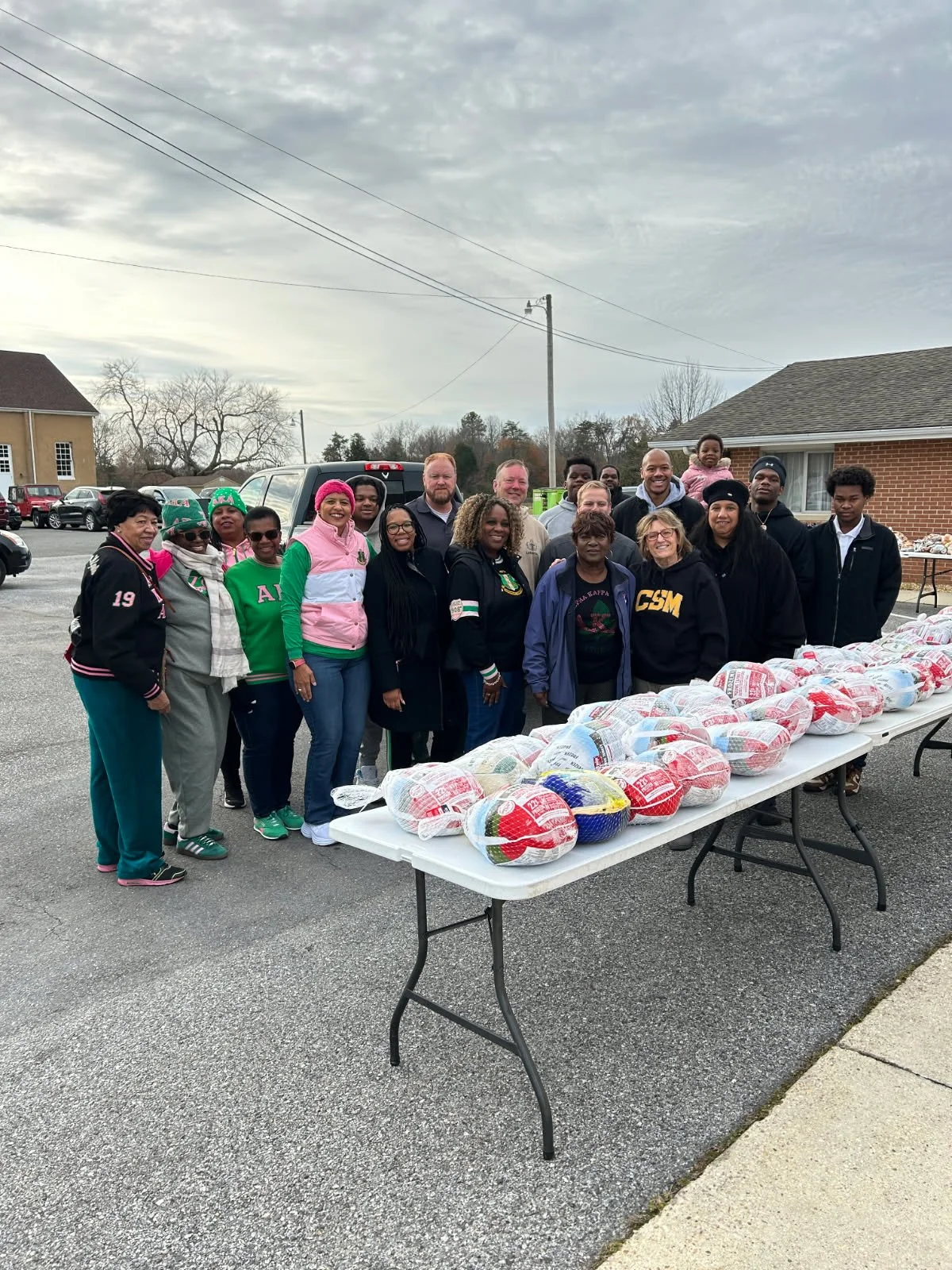
Volunteers at the annual Turkey Giveaway hosted by G.S. Proctor & Associates and their partners.
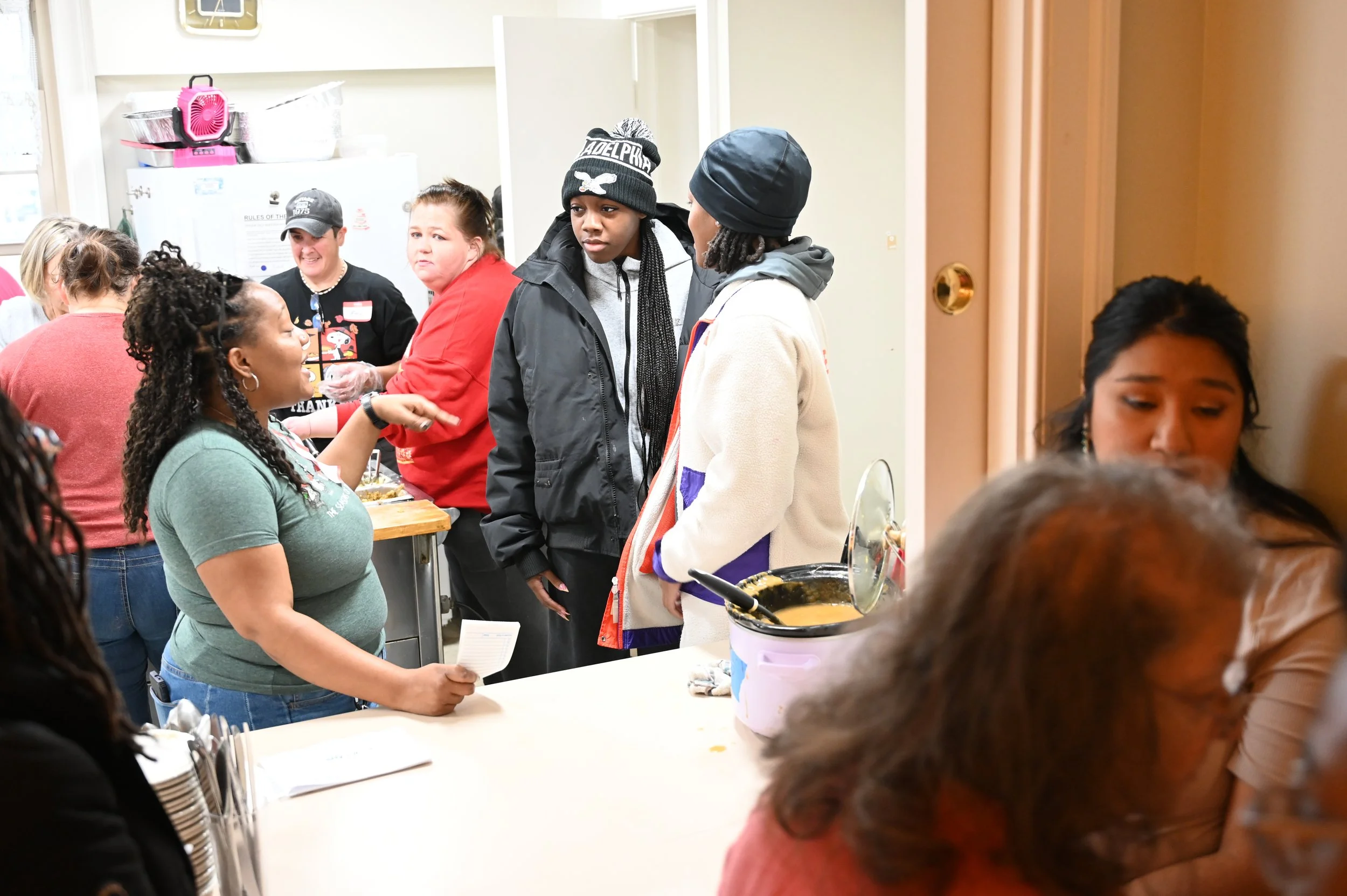
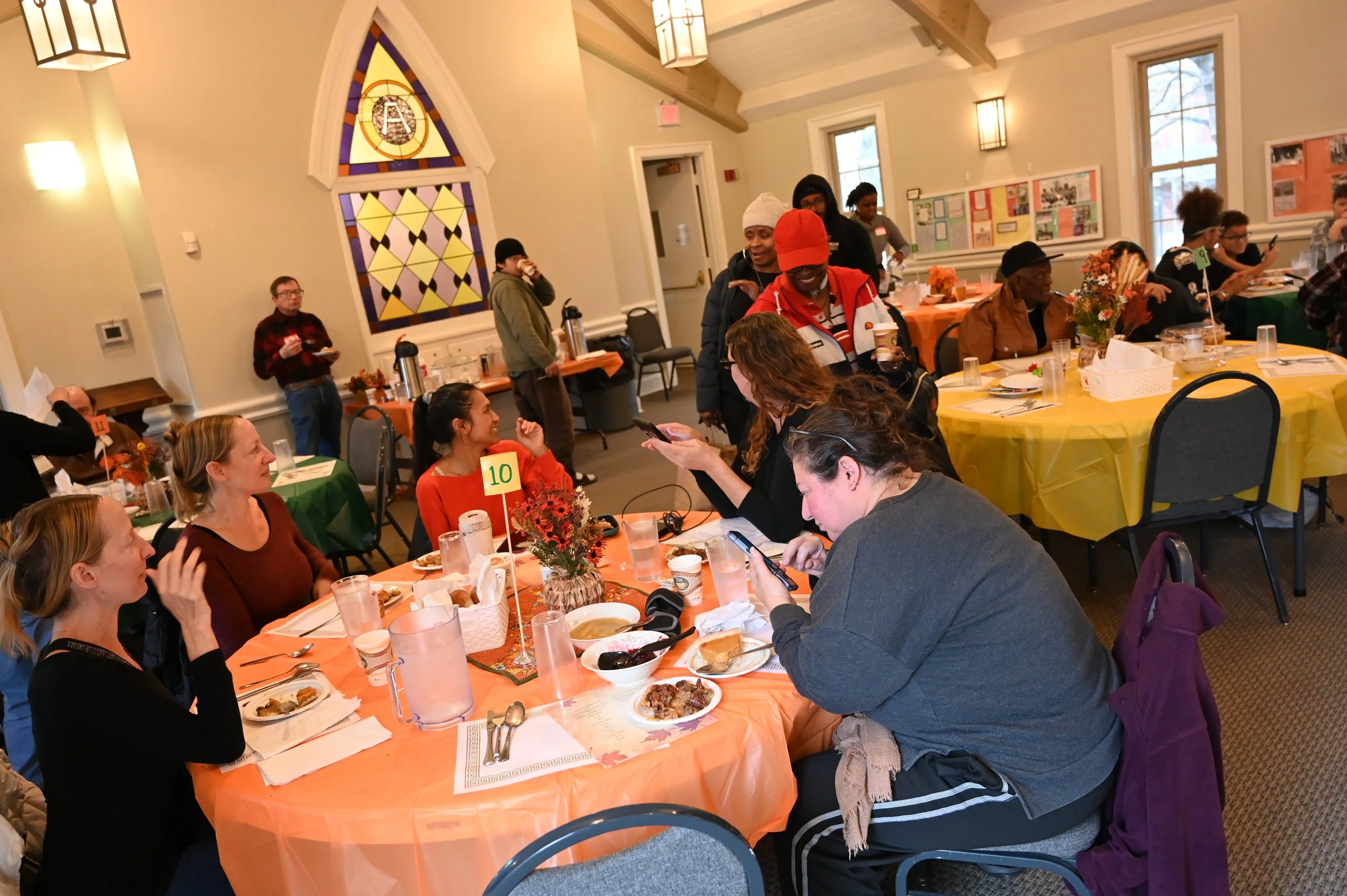
Guests at St. Philip’s aren’t handed plates and shuffled along. They are seated at tablecloth-covered tables, asked what they’d like to eat, and served by volunteers who pour drinks, clear plates, and greet everyone by name. The atmosphere feels more like a restaurant than a typical meal distribution.
And that’s the point.
For Bunker, “the food is made with love,” but so is the service. The congregation sees this ministry not as an obligation, but a calling—to feed people with dignity, compassion, and warmth.
The Little Chapel Food Pantry, one of the church’s newest ministries, now serves 177 families every month, offering not just canned goods but fresh meat, cheese, vegetables, and fruit—items many low-income families struggle to afford. “Most people would say, ‘You’re in church on Sunday. Why would you have a food pantry open on Sunday?’” Bunker said. “Well, because that’s where the need is.”
This responsiveness is embedded in St. Philip’s identity, which has also launched and supported long-standing community institutions such as Elizabeth House and LARS. The church has been, as Bunker describes, “an outpost for outreach into the community” for nearly two centuries.
Woods, who volunteers there because he believes the church has a genuine spirit of service, sees the pastor as a model of sincerity. “If a pastor does their job right, they’re working 70, 80 hours a week,” he said. “He’s sincere… that’s why I’m here.”
The undercurrent of spirituality across these faith spaces is unmistakable. It’s not preached as much as it is lived—in handshakes, warm blankets, softly spoken blessings, and the quiet dignity offered to every person in line.
Echoes of the Depression: A Shared Emotional Landscape
Though circumstances differ, the emotional terrain of this moment mirrors that Depression-era ache—uncertainty, fatigue, and the fear that tomorrow may bring even more loss. But just as it did before, resilience emerges not from wealth or political power, but from the simple decision individuals make to care for one another.
Historians often describe the Great Depression as a period of “collective struggle.” Yet communities across America also described it as a time when people rediscovered their interconnectedness. The same rediscovery is unfolding now in Prince George’s County.
Food lines are not merely points of distribution—they are gatherings of shared humanity. Parents trade stories. Elders offer advice. Teens volunteer to carry boxes to car doors. People who, on any other day, might pass each other without a word become part of the same story for a moment.
Woods reflects on the diversity of people he sees: “You look around this room… everybody’s just trying to make it.”
That truth echoes the Depression era as well—when Americans realized that hardship was not selective. People from different races, religions, and backgrounds were united by the struggle to survive, and by the determination to help those facing even greater hardship.
Bunker sees that same sacred responsibility in his congregation: “The church is not the building… the church is the people.” And those people continue to rise—showing up, serving meals, and making sure no one faces hardship alone.
The Power of the Human Spirit
Through the strain of job losses, shutdowns, and furloughs, something radiant persists in Prince George’s County: an unbroken belief that community can hold us while we rebuild.
County leaders show up with courage and humility.
Businesses give beyond their means.
Faith institutions feed both body and soul.
Volunteers like Woods embody what it means to care without condition.
Priests like Bunker remind us that hospitality is a holy act.
And residents—despite fatigue or fear—continue to show grace to one another.
If the Great Depression taught America anything, it was that hardship cannot extinguish the human spirit. Today, Marylanders—and especially Prince Georgians—are proving that truth again. In the shared work of feeding one another, they are nourishing something far deeper: hope.
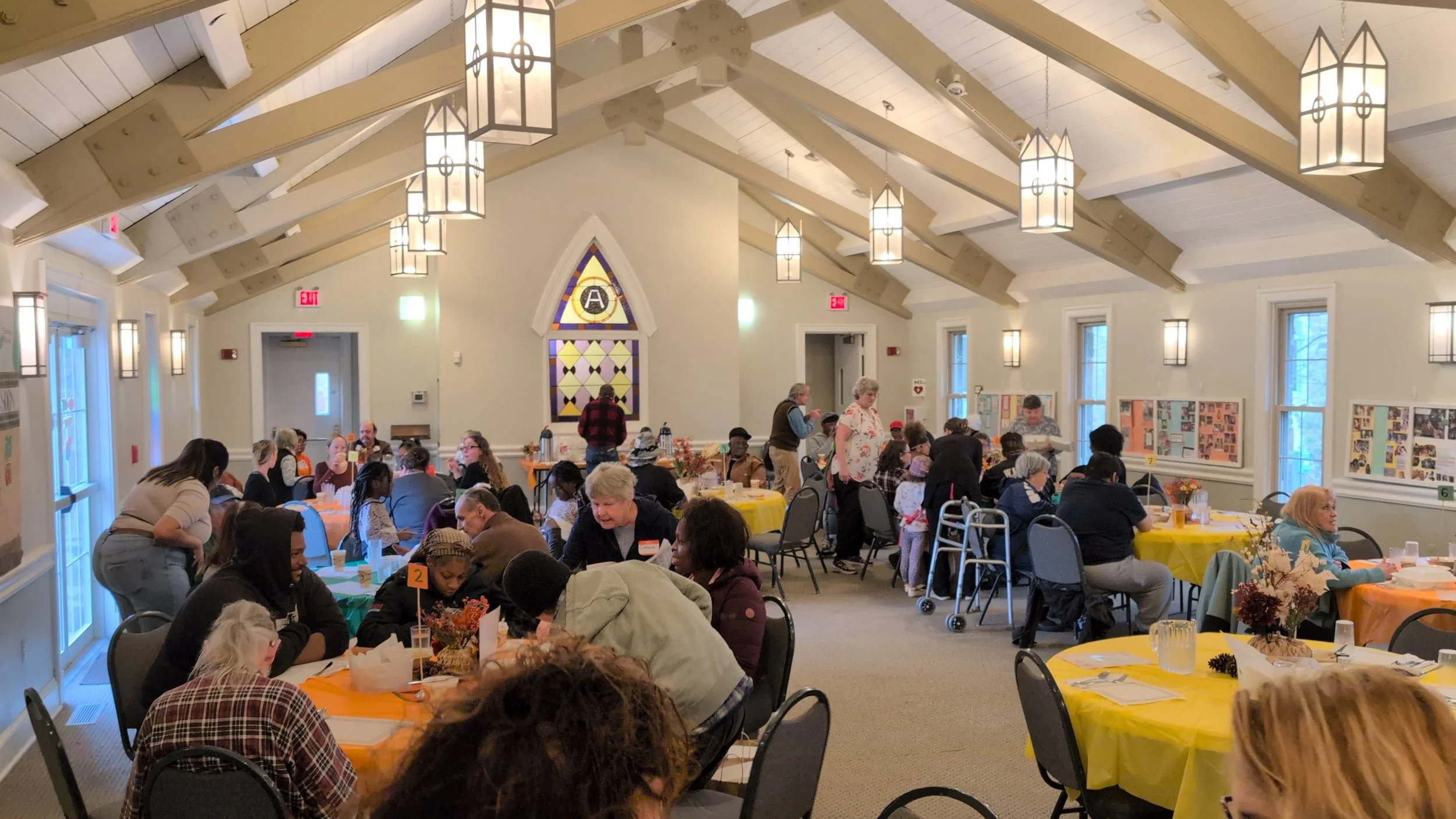
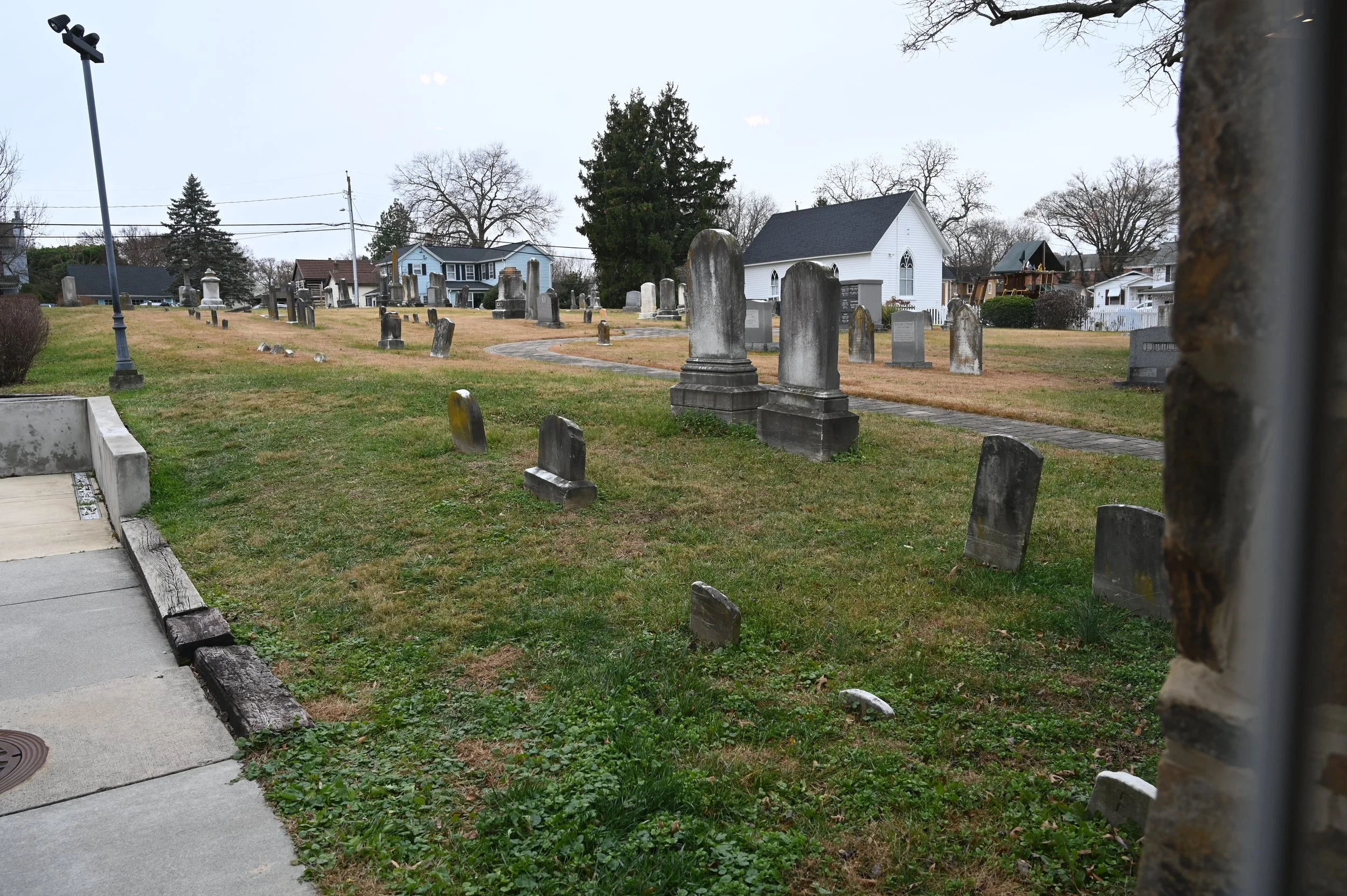
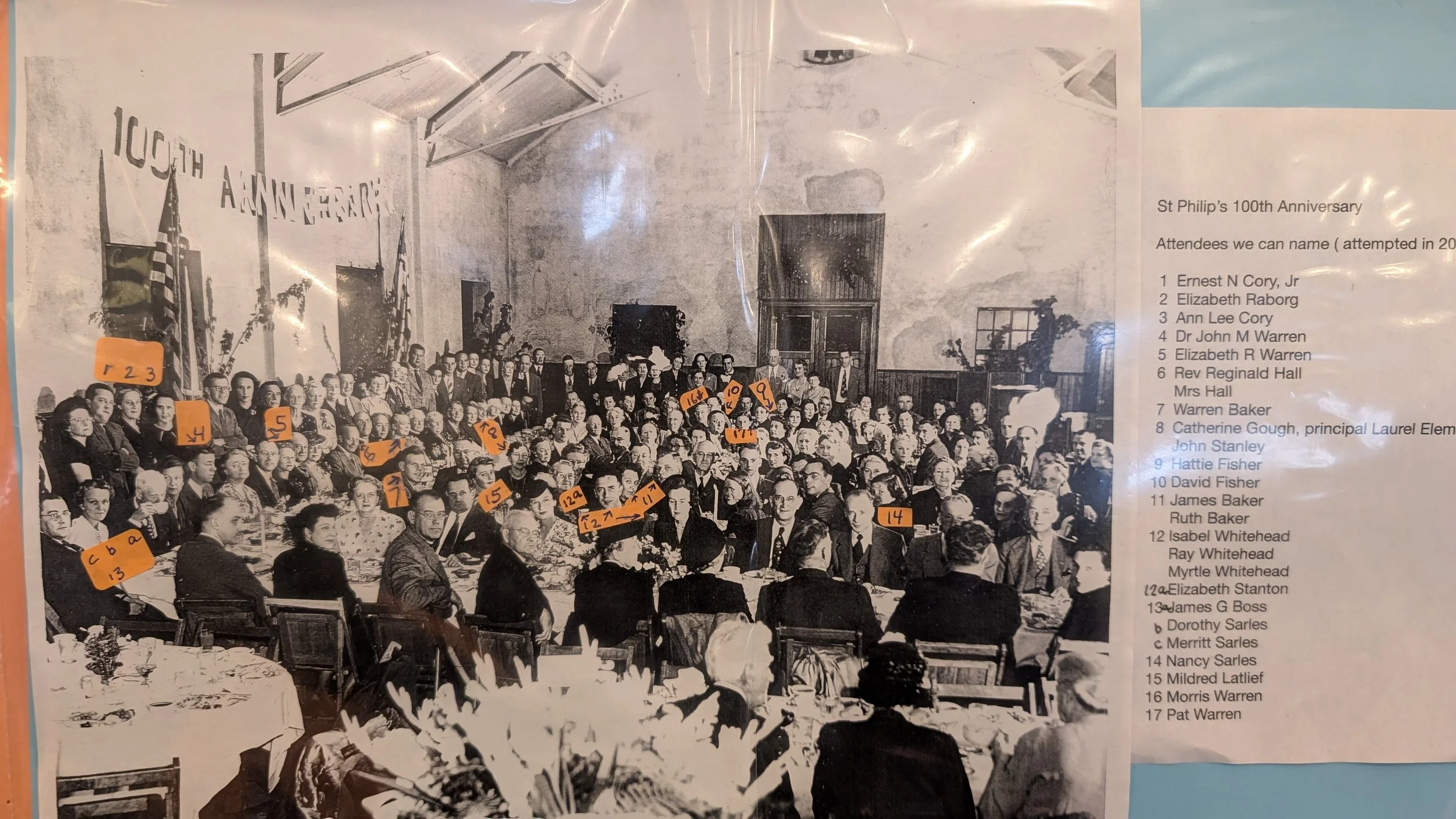
Amazing Space: St. Philip's Episcopal Church, based in Largo, MD, is a living testament to the spirit of community past, present, and future. Over 170 years old, the church’s dining hall is in the center with the graveyard just outside the left door and the “Windows in Time” wall on the right capturing nearly 200 years of church members in photos. PHOTO: RAOUL DENNIS // PRINCE GEORGE’S SUITE MAGAZINE & MEDIA