
Glenn Ivey: ‘Stay Positive, Keep Moving’
Glenn Ivey
Prince George's County Is on the Right Course, Ivey Tells Business Leaders
Story and Photography By Raoul Dennis
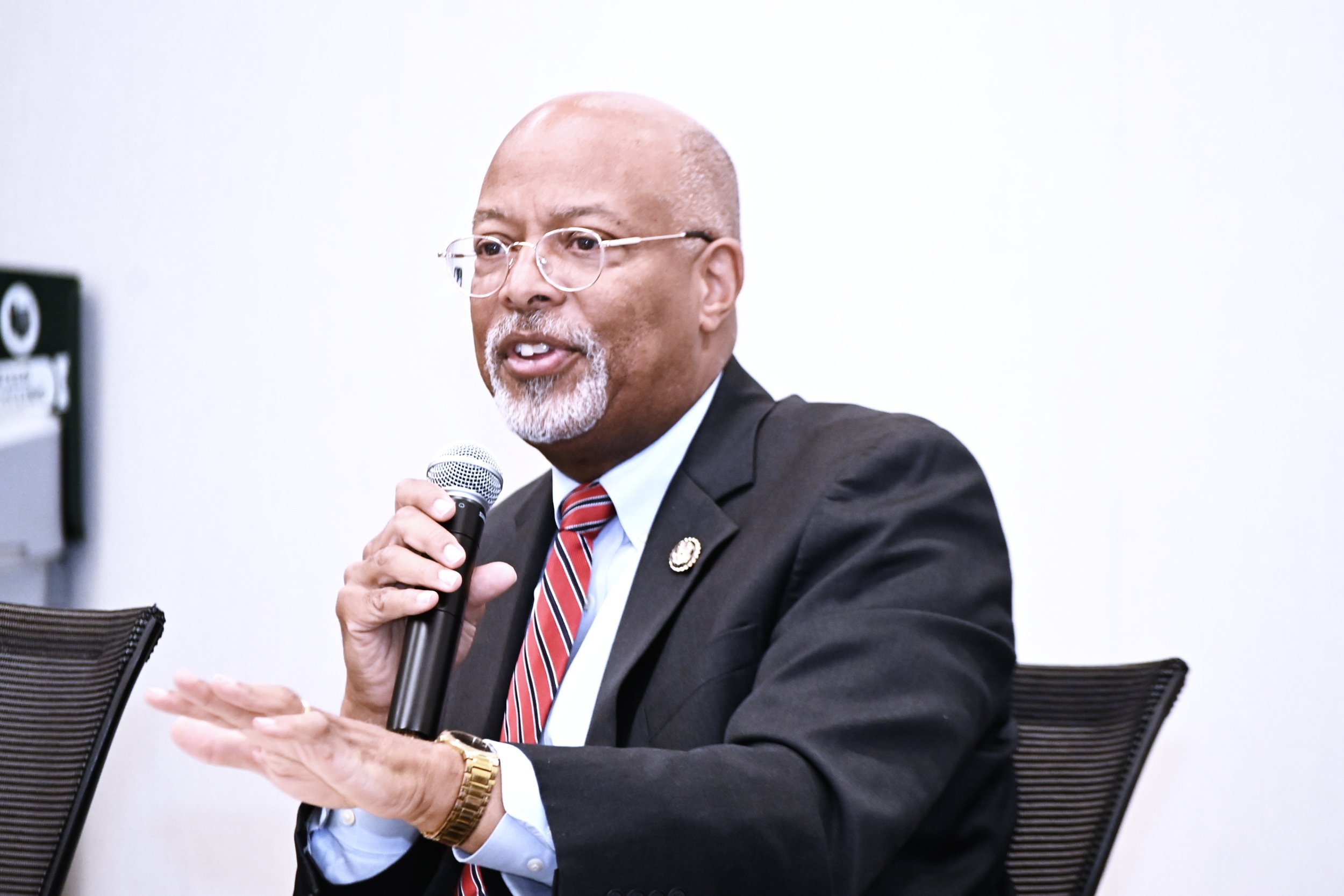
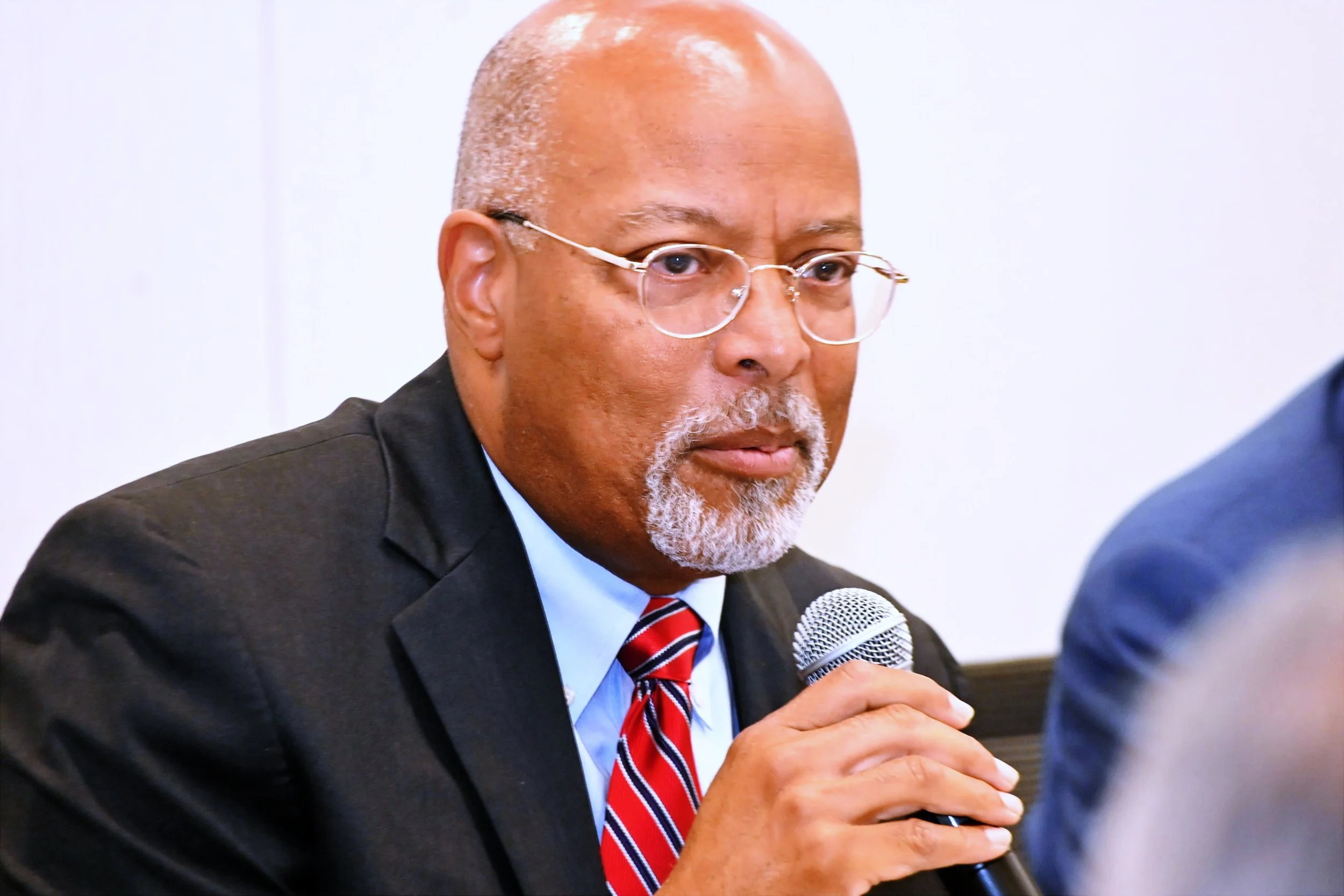
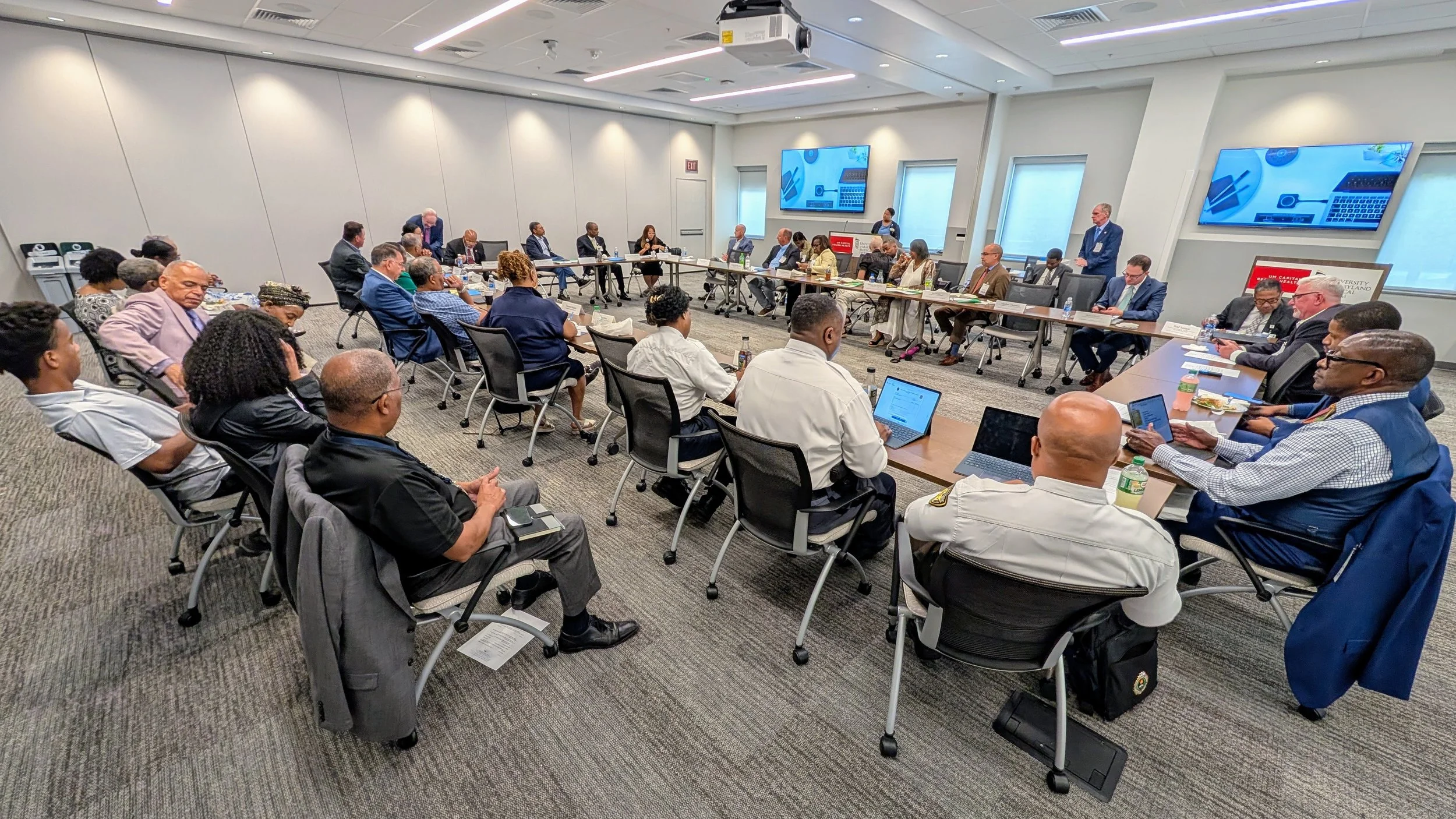
Congressman Glenn Ivey told members of the Greater Prince George's Business Roundtable that despite a bruising period of federal job losses, economic uncertainty and high-profile setbacks, Prince George's County is not in decline. Instead, he argued that the county is leveling off and moving back toward growth, driven by technology, research, construction, federal assets, education pipelines and regional collaboration.
At the top of his remarks, the veteran congressman said he’s pleased to be in government during these times.
“It's an honor to be able to serve in this position, especially at this time,” Ivey said at the July 8 meeting. “I know these are challenging times for the county, for the country, really for the world. It's an honor to have a chance to be in that fight right now, to be in that arena right now.”
“This is the profession we’ve chosen,” he mused, likening this moment in congressional history to words in a scene from Godfather II. “This is the profession we have chosen.”
Ivey acknowledged that the past year and a half has been difficult for the county, particularly because of cuts and forced retirements affecting federal workers. Tens of thousands of employees, he said, were pushed out or pressured into early retirement, with some later called back after agencies realized they could not function without experienced staff.
Still, Ivey said the broader story of Prince George's County is more promising than the public sometimes hears.
“The bigger point I think I want to make, though, is that even though these have been extremely challenging times for the county, I think we're leveling off and, in fact, heading back in the right direction to some extent,” he said.
At the center of his case was IonQ, the College Park-based quantum computing company that he described as a multibillion-dollar enterprise operating in one of the most important technology sectors of the future. Ivey noted that IonQ recently closed a $1.8 billion acquisition deal and said its presence in the county shows that Prince George's is already home to companies working at the frontier of quantum computing and artificial intelligence.
“These guys are big enough that they just closed on a deal to buy another company for $1.8 billion. They're right here in Prince George's County,” Ivey noted. “We've got other companies like that, maybe not that big. Companies are doing extremely well, especially on the tech side.”
He also pointed to Cloudforce at National Harbor as another example of local tech momentum. The software company, he said, has about 130 employees and expects to grow to roughly 200 by the end of the year, creating the type of high-skill jobs county leaders want to attract and retain.
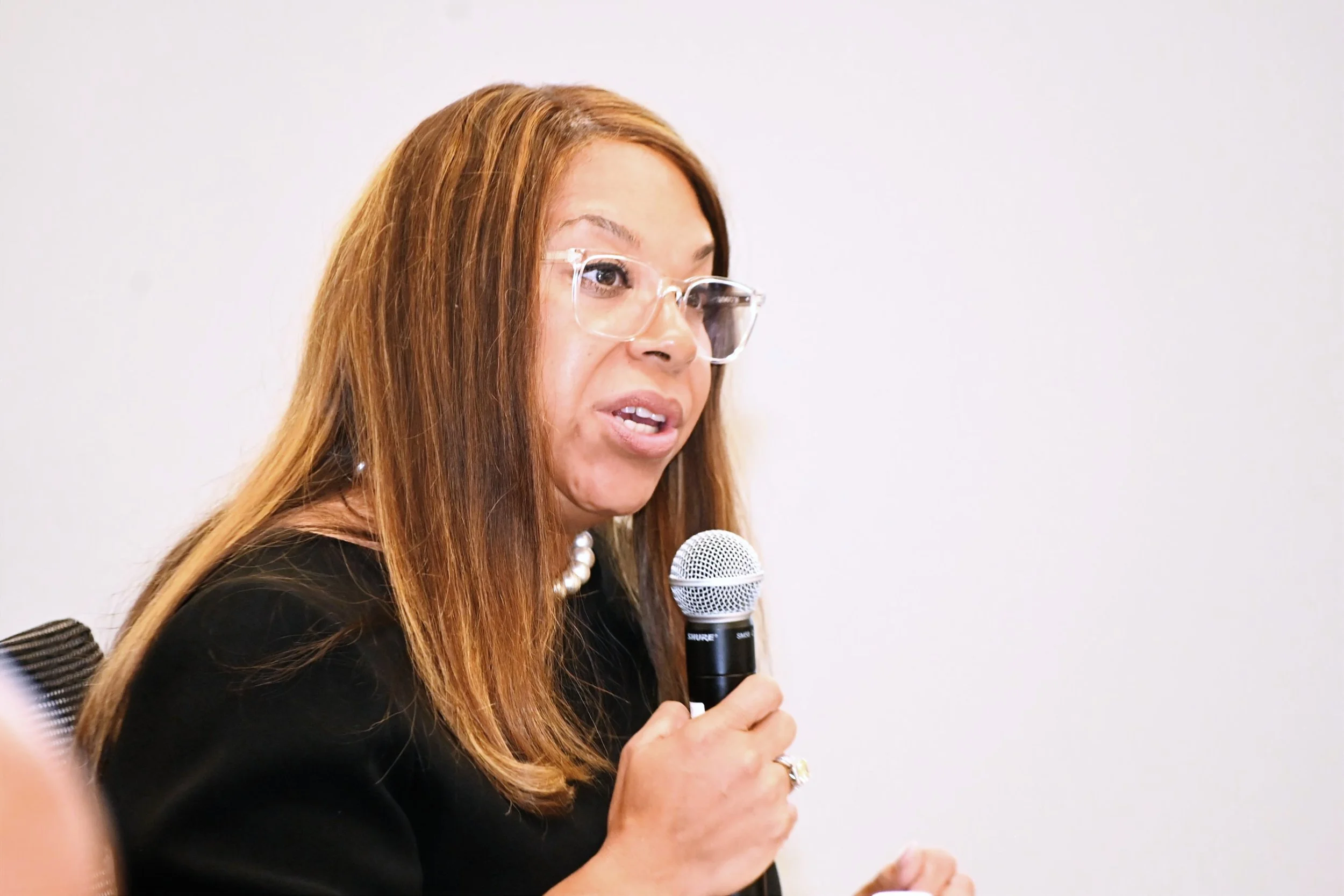
County Councilmember Danielle Hunter, District 6
“These are those top jobs that we want people to have, high-tech jobs,” the district four congressman said. “Many of them are right out of school. Many of them are coming from other companies. They're moving here to do this work. Things are really moving in the right direction with a lot of those companies. I'd like to see if we can talk that up more and make sure that the public understands what positive things we have going on here in Prince George's County.”
Much of that innovation, Ivey said, is tied to the University of Maryland and its business incubator programs. He highlighted a solid-state battery company spun out of that ecosystem, describing its technology as safer, lighter and more efficient than traditional lithium batteries. If supported properly, he said, such companies could become the next generation of major Prince George’s employers.

Ivey included a brief discussion on a local University of Maryland incubator company’s development of solid-state batteries over lithium batteries. They are safer, weigh less, last longer and are more efficient than lithium batteries. The congressman believes the product may be part of the answer to the high energy billing hundreds of Maryland residents are experiencing.
“One of the things California did to try and address issues to avoid rolling blackouts, for example, was they bought, I think it was $2 billion in batteries,” he said of the potential for the small Maryland-based company.
“This is one of those types of things where I think if this company can catch on and we can help them get out ahead of the curve, they could grow into another one of these multi-billion dollar companies right here in Prince George's County that's doing great things, hiring local people.”
Ivey also cited traditional businesses that are expanding and hiring locally. In Beltsville, he said, companies such as Bowers Construction are providing union jobs, training local workers and manufacturing infrastructure used in data centers across the region. These firms, he said, represent the kind of practical economic development that can create opportunities beyond the federal workforce.

Federal installations remain a major part of the county's future. Ivey said NASA Goddard in Greenbelt is beginning to stabilize after job losses, with new leadership discussing ways to bring work back in-house and strengthen local hiring pipelines. He praised DuVal High School's aeronautics and aerospace program as an example of how local students can be prepared for careers in science, technology and space-related fields.
He also defended the importance of the Beltsville Agricultural Research Center, warning that efforts to reduce its workforce would undercut research that cannot simply be moved elsewhere. Ivey said he has worked through the appropriations process and joined litigation with county leaders to protect BARC, which he described as part of a broader research corridor linking the University of Maryland, NASA, NOAA and agricultural innovation.

That cluster, he said, could become a stronger national center for satellite research, weather science, agricultural technology and 21st-century food systems.
Ivey also noted major construction and federal development opportunities, including the planned Bureau of Engraving and Printing project in Beltsville, estimated at $2.5 billion, and the continued push for the FBI headquarters project. He said cybersecurity, the Army Research Lab, Johns Hopkins Applied Physics Laboratory, NSA-related activity nearby and university research partnerships all add to the county's long-term potential.
Beyond the northern part of the county, Ivey pointed to other economic engines, including Kevin Durant's purchase of Six Flags’ land area, the future of Northwest Stadium, the county's medical and hospital sector, and MGM National Harbor.
“One of the things I'd like for us to make sure we're doing is that we recognize what the economic development opportunities are, and we're coming out of this in a positive way,” the statesman said. “We don't want to just rely on federal, although that's coming back, too.”
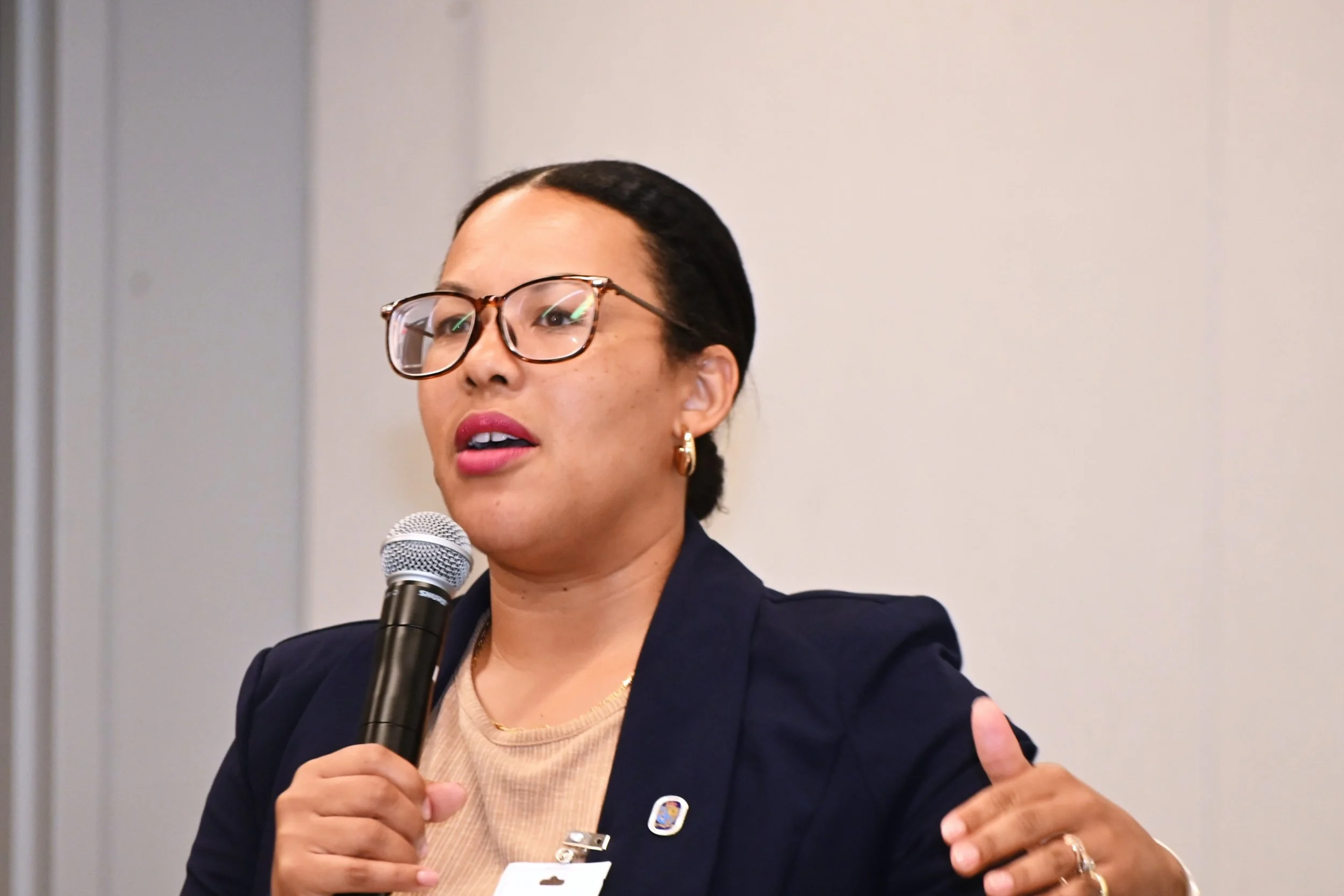
Councilmember Shayla Adams-Stafford, District 5
“I'm going to visit [these businesses] because if there are ways that we can help them out, whichever Ivey is in the position to help them, might be state, might be county, might be federal. I always tell people it's a one-stop shop. If you need help calling Ivey, we'll figure it out,” he said smiling as he gave a referential nod to his wife, Jolene, an At-Large County Councilmember, and his son, Julian, a Maryland state delegate representing District 47A.
He talked about the high-potential hub between the University of Maryland, NOAA and NASA.

“I call it a research triangle,” Ivey said. “University of Maryland talks about it more as a discovery district. You've got the University of Maryland doing a lot of great work. You've got the NASA piece. You've got NOAA nearby, especially them working together on satellite research for weather and the like. They also use it for, guess what, agriculture. They've linked up with BARC to do a lot of these contracts and work that I think we can expand out and turn it into an even bigger national center for this kind of work. This is moving into the 21st century, agriculture here and around the world. Satellites are a key piece of that. We've got all the components right there together. Let's make it work.”
He also talked about the promise of the Bureau of Engraving.
“The Bureau of Engraving building is $2.5 billion construction project, again, in Beltsville. Not as big as FBI, but from a dollars-and-cents standpoint, comparable. From a construction community standpoint, electricians, all of those guys, it’s a big step.”
While the FBI Headquarters location in Prince George’s is a high-profile question mark due to the Trump Administration’s plans to keep the agency in the District, Ivey suggests that the ongoing litigation led by State’s Attorney Anthony Brown suggests time may be on the county’s side. “I think we can just wait them out,” Ivey said of the notion that Prince George’s won the bid to be home for the new headquarters.
His message to business leaders was that Prince George's County has endured real challenges, but it also has rare assets: federal institutions, emerging technology companies, research centers, construction projects, universities, small businesses and political leadership positioned to fight for investment.
“We have the tools to make this place explode economically,” Ivey said in effect, emphasizing that the county's best days can still be ahead if public officials, businesses and community leaders work together.